Contents
Condenser vs Dynamic Microphone: Which Do You Need?
TL;DR: For quiet home studios, condensers capture more detail and nuance — the Audio-Technica AT2020 is the go-to entry point. For loud sources, live performance, and untreated rooms, dynamic mics like the Shure SM7B handle SPL and reject room noise without fuss. Most home producers need one condenser; most live performers need one dynamic.
The Core Difference: Sensitivity and Application
The fundamental split is sensitivity. Condenser microphones use a lightweight electrically-charged diaphragm that responds to minute pressure variations — ideal for detailed, nuanced recording in controlled environments. Dynamic mics use electromagnetic induction with a heavier moving-coil diaphragm — more forgiving of loud transients, rough treatment, and imperfect acoustics.
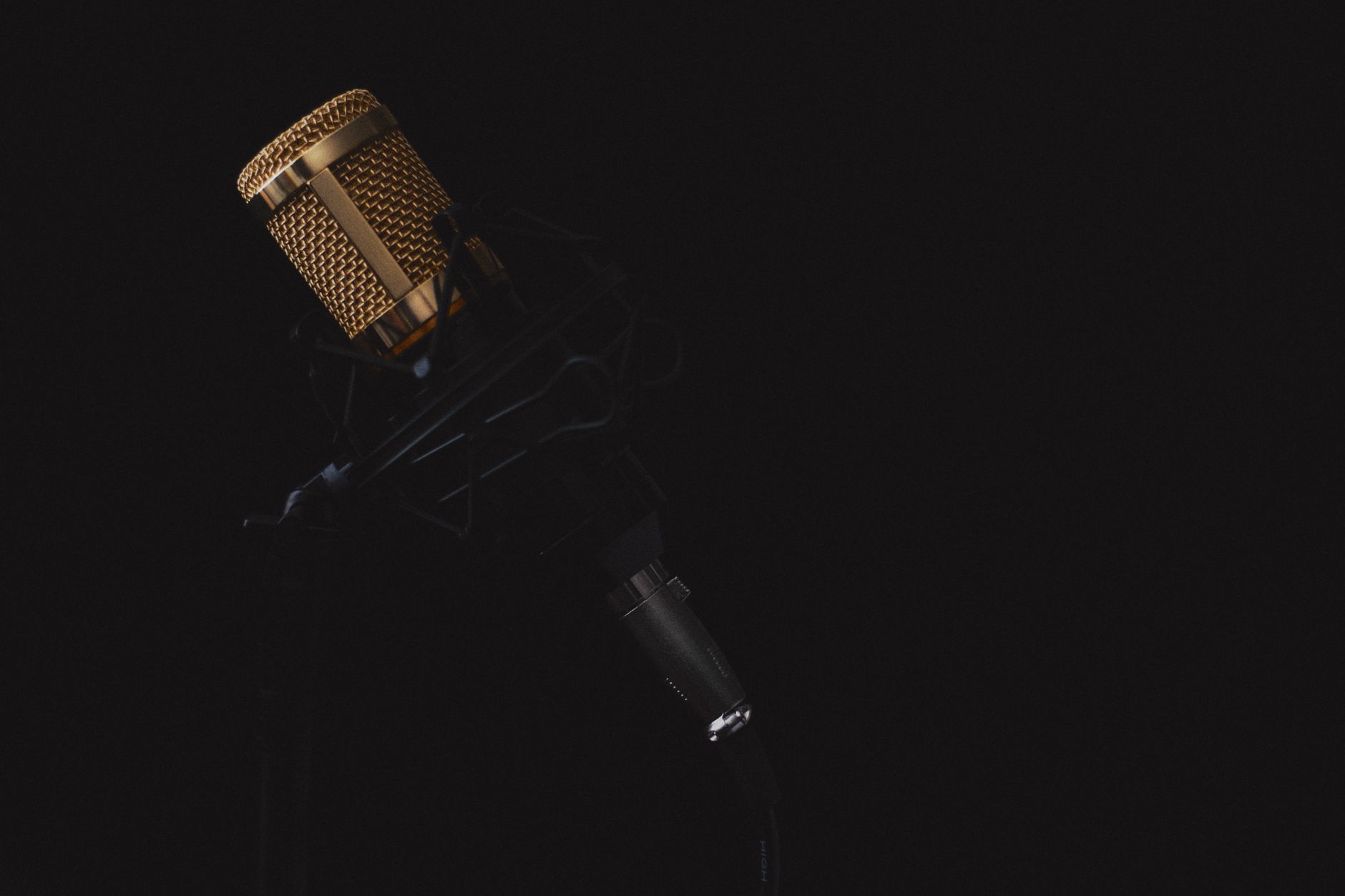
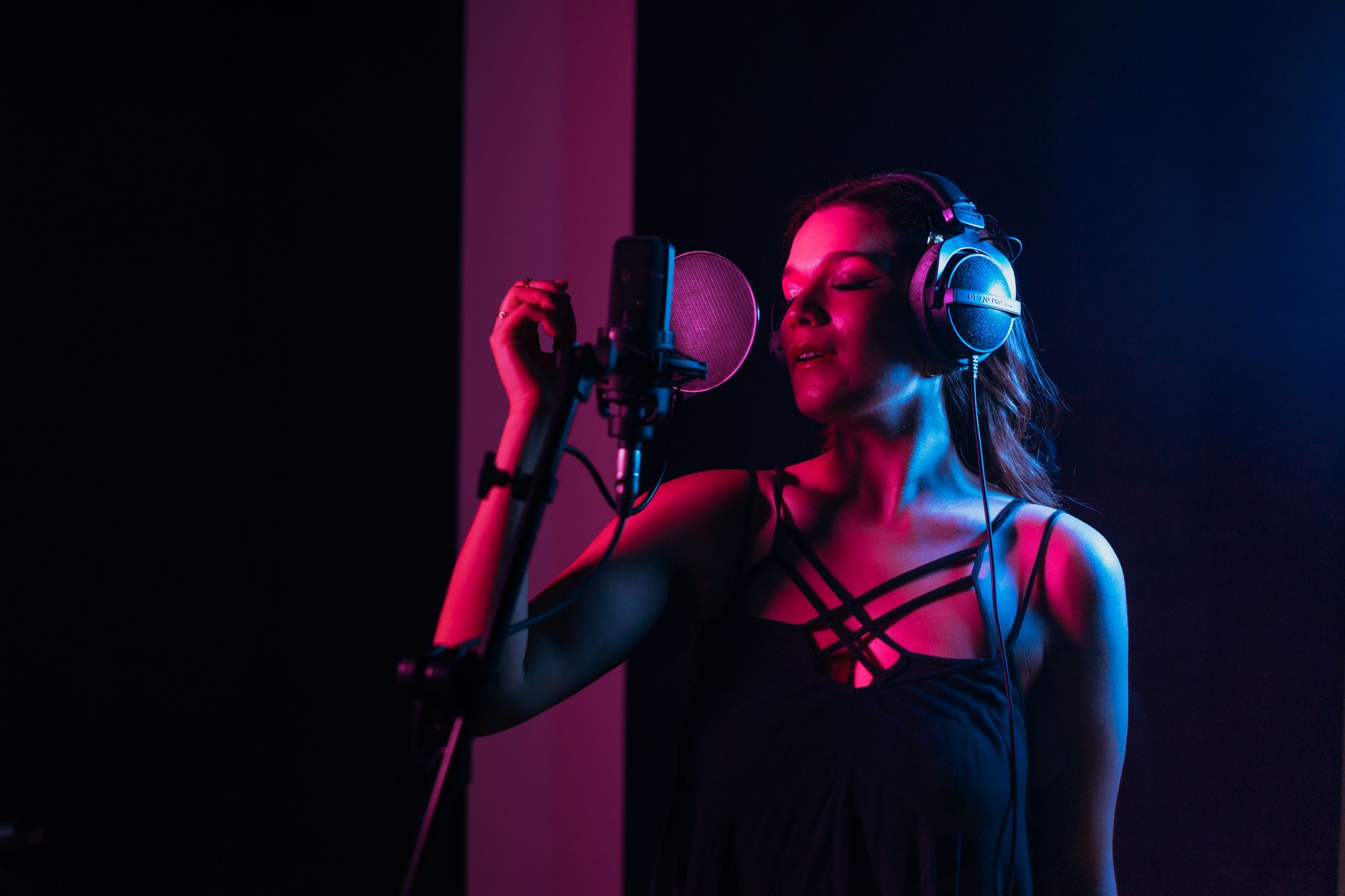 Photo: Los Muertos Crew via Pexels
The physics determine everything downstream. Condensers require phantom power (48V from your interface or mixer) to charge the capsule and power internal electronics. Dynamic mics are entirely passive — plug in and go. This simplicity makes dynamics reliable in any situation, from a treated vocal booth to a bar stage.
Frequency response tells the story clearly: condensers typically extend from 20Hz to 20kHz with elevated high-frequency sensitivity, capturing air, breath detail, and transient snap. Dynamics roll off faster in the highs and handle SPL levels upward of 150dB SPL — a figure no condenser can match without padding.
When to Choose a Condenser Microphone
Use a condenser for vocals, acoustic instruments, overhead drum recording, and any source where capturing fine detail is the priority. They excel in treated or acoustically controlled spaces where background noise and room reflections are managed.
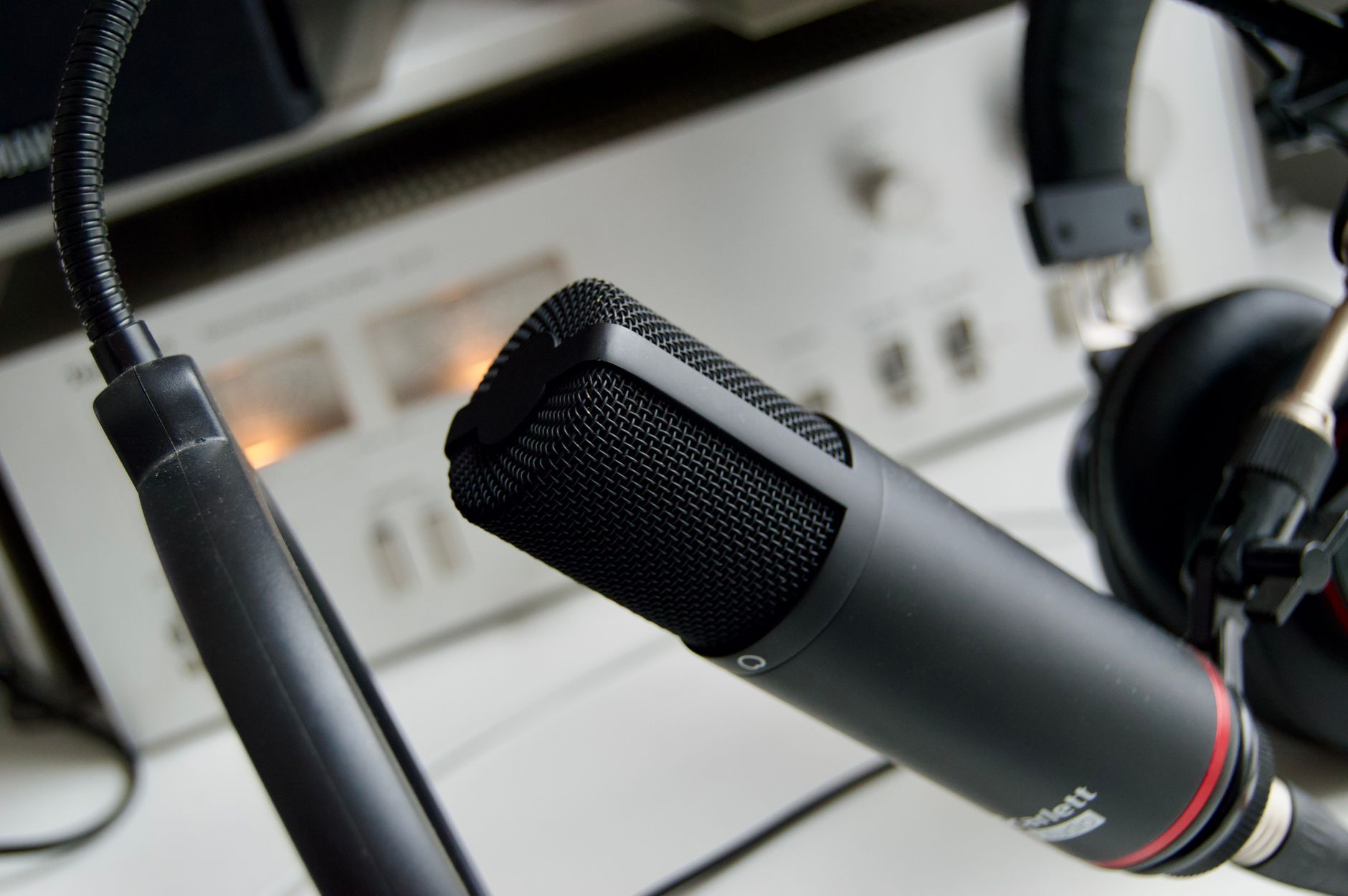
 Photo: Anna Pou via Pexels
Vocal Recording
For studio vocals, condensers are the industry standard. The extended high-frequency response adds presence and air that helps vocals cut through a mix without heavy EQ lifting. Large-diaphragm condensers (LDCs) — typically 1-inch capsules — give a slightly warmer, fuller sound with a proximity effect that experienced vocalists use intentionally. Small-diaphragm condensers (SDCs) offer flatter, more accurate response, making them preferred for acoustic guitar, strings, and orchestral recording.
The critical caveat: condensers hear everything. In an untreated bedroom with parallel walls, a condenser will capture every reflection, computer fan hum, and street noise with the same accuracy it applies to your vocal performance. Room treatment isn’t optional if you go this route.
Acoustic Instruments
Acoustic guitar, piano, violin, upright bass — condensers capture the attack transients and harmonic overtones that give these instruments their character. A matched pair of SDCs as overheads is standard for drum recording when drum room sound is part of the aesthetic. For home acoustic guitar demos, a single LDC positioned at the 12th fret delivers a balanced capture without excessive body boom.
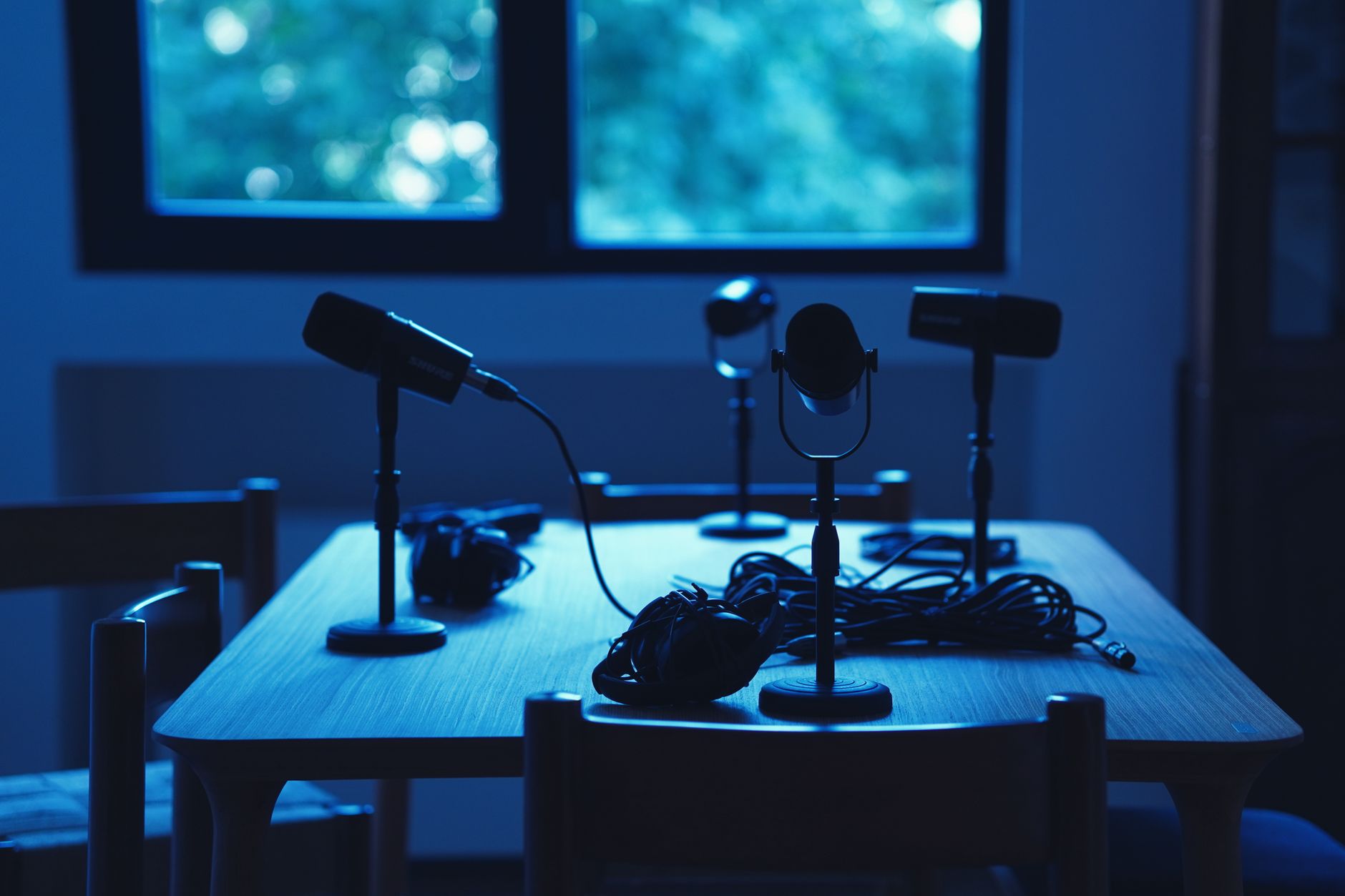
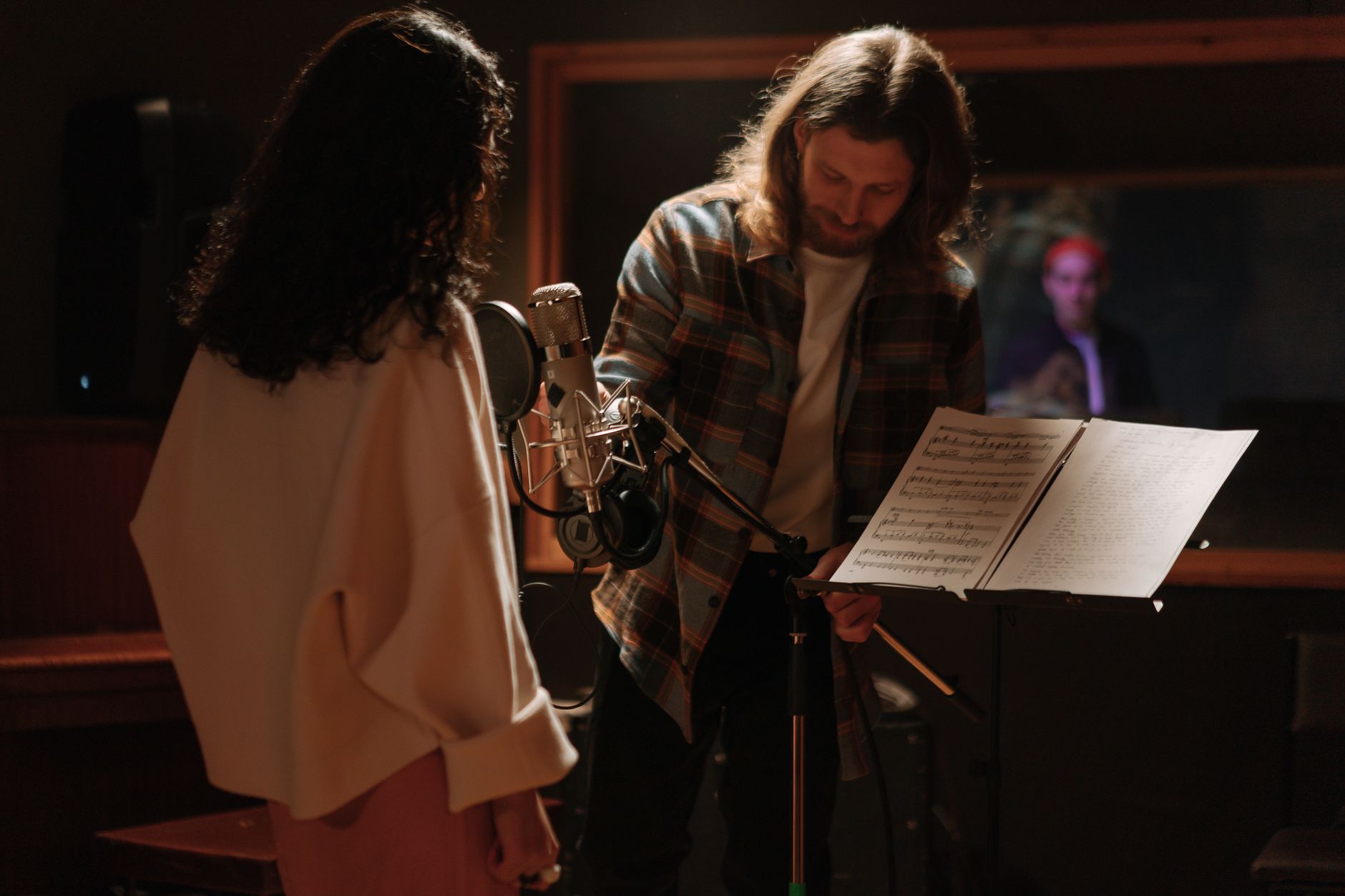 Photo: cottonbro studio via Pexels
The Room Requirement
Published testing data from recording forums and studio comparison studies consistently shows that condenser recordings in untreated rooms contain 6–12dB more audible room noise than dynamic recordings of the same source at comparable distances. Budget for acoustic treatment if you go condenser — absorptive panels behind the mic and a reflection filter minimum.
When to Choose a Dynamic Microphone
Choose a dynamic for loud sources (drums, guitar amps, brass), live performance, untreated rooms, and any scenario where durability and SPL handling matter more than capturing ultra-fine detail.
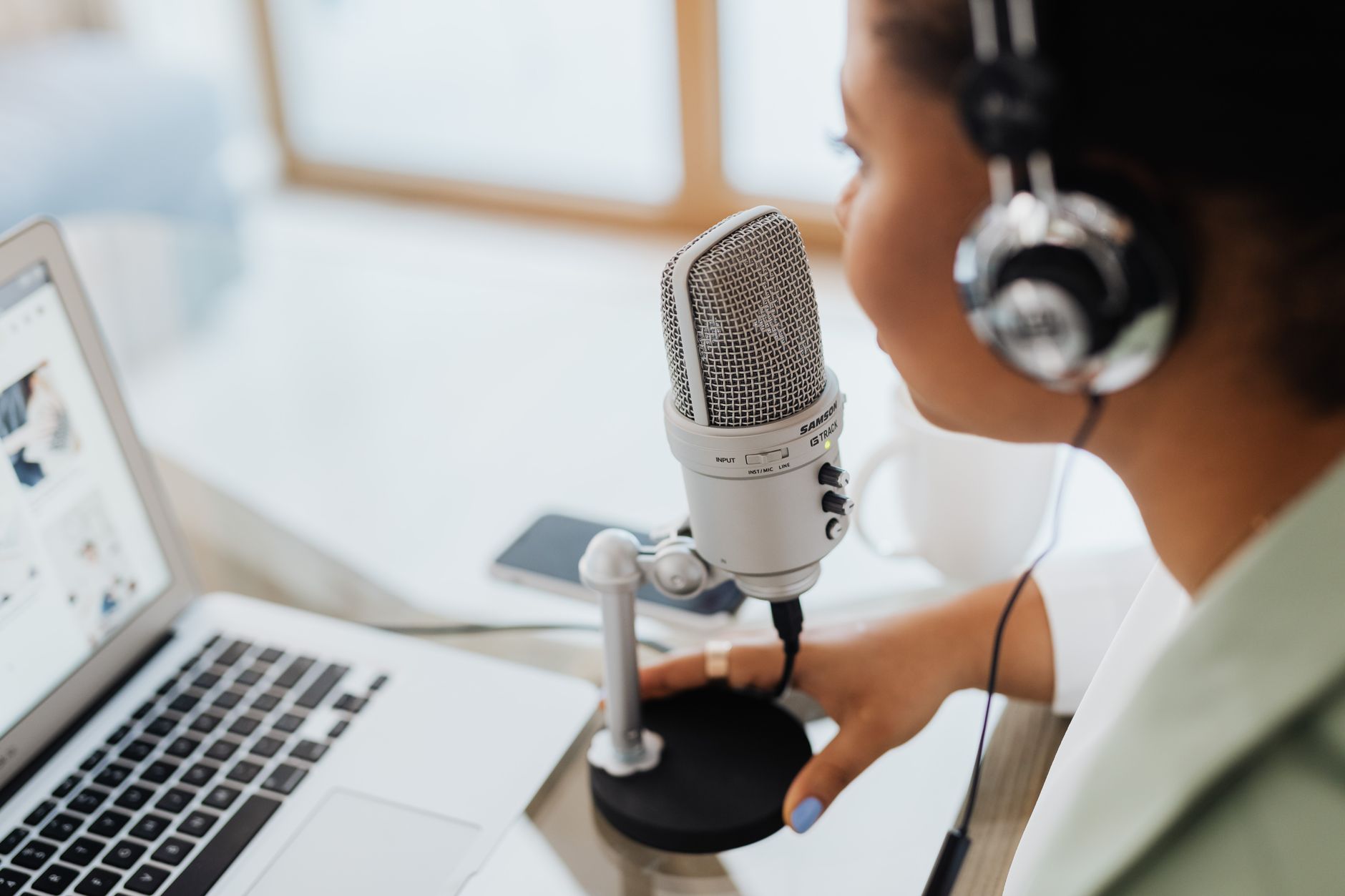
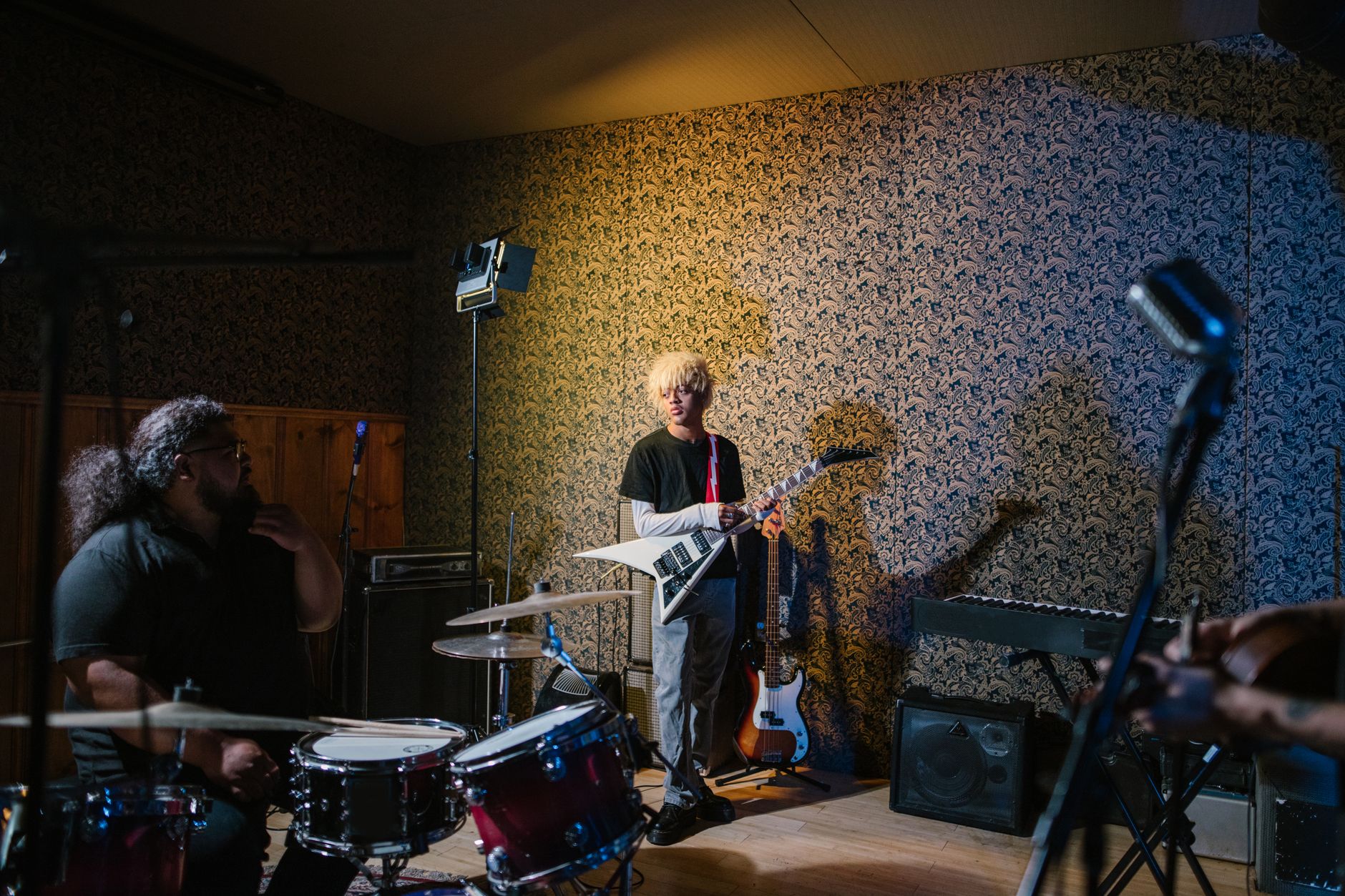 Photo: RDNE Stock project via Pexels
Loud Sources and High SPL
The Shure SM57 on a guitar cab is one of the most-used microphone placements in recorded music history — not because it’s the most accurate, but because it sounds right. The natural high-frequency roll-off takes the harsh edge off close-miked cone sound. Snare drum, brass, and kick drum internals all benefit from the same dynamic mic characteristics: handling high SPL without distortion, and a presence peak in the 3–8kHz range that adds snap and attack.
Untreated Rooms and Live Performance
Dynamic mics exhibit tighter rejection of off-axis sound relative to condensers of the same polar pattern. The Shure SM7B — popular for podcast and broadcast as well as recording — has documented off-axis rejection that makes it practical in rooms that would cause condenser recordings to sound washed out. Expert consensus among recording educators places it as the top recommendation for home studios without acoustic treatment.
Dynamic mics are also the live performance standard. Durability is a real factor: a touring SM58 survives drops, moisture, and years of stage use that would end most condensers. On stage, the combination of high SPL handling and rejection of monitor bleed makes dynamics the practical choice.
Podcasting and Broadcast
The broadcast-style dynamic category — SM7B, Rode PodMic , Electro-Voice RE20 — has expanded significantly. These mics prioritize consistent vocal tone, proximity effect for a warm “radio” character, and noise rejection. Manufacturer specifications show they require more preamp gain than condensers (the SM7B needs 55–65dB of clean gain), so interface quality and gain headroom matter.
Condenser vs Dynamic: Head-to-Head Comparison
| Feature | Condenser | Dynamic |
|---|---|---|
| Sensitivity | High | Low–Medium |
| Frequency Response | Wide, extended highs | Narrower, rolled-off highs |
| SPL Handling | 120–145dB (with pad) | 140–160dB+ |
| Phantom Power Required | Yes (48V) | No |
| Room Noise Sensitivity | High | Low |
| Durability | Moderate | High |
| Ideal Source | Vocals, acoustics, overhead | Loud sources, live, untreated rooms |
| Price Entry Point | ~$50 | ~$50 |
| Price Sweet Spot | $100–$300 | $100–$400 |
Gear Review: Key Options at Each Price Point
Condenser Picks
| Product | Price | Capsule | Freq. Response | Phantom | Best For | Verdict |
|---|---|---|---|---|---|---|
| Audio-Technica AT2020 | ~$100 | LDC, 16mm | 20Hz–20kHz | 48V | Budget home studio vocals | Best entry-point LDC |
| Rode NT1 | ~$170 | LDC, 1“ | 20Hz–20kHz | 48V | Low-noise vocal recording | Lowest self-noise in class |
| Neumann TLM 102 | ~$700 | LDC, 1“ | 20Hz–20kHz | 48V | Prosumer/professional vocals | Neumann quality at entry Neumann price |
Specs — Audio-Technica AT2020:
| Spec | Value |
|---|---|
| Polar Pattern | Cardioid |
| Frequency Response | 20Hz–20kHz |
| Max SPL | 144dB (with pad) |
| Self-Noise | 20dB SPL |
| Phantom Power | 48V |
| Best For | Home studio vocals, acoustic guitar |
Dynamic Picks
| Product | Price | Polar Pattern | Freq. Response | Requires Preamp Gain | Best For | Verdict |
|---|---|---|---|---|---|---|
| Shure SM58 | ~$100 | Cardioid | 50Hz–15kHz | Low | Live vocals, stage use | Industry-standard stage mic |
| Shure SM57 | ~$100 | Cardioid | 40Hz–15kHz | Low | Guitar cabs, snare | The universal instrument mic |
| Shure SM7B | ~$400 | Cardioid | 50Hz–20kHz | High (55–65dB) | Broadcast, podcast, studio vocals | Best all-around dynamic for home studio |
| Rode PodMic | ~$100 | Cardioid | 20Hz–20kHz | Medium | Podcasting, streaming | Best value broadcast dynamic |
Verdict by archetype:
- First-time beginner: AT2020 — cheap, sounds better than it costs, straightforward
- Bedroom producer (treated room): Rode NT1 — self-noise advantage pays off on multiple vocal takes
- Bedroom producer (untreated room): SM7B — buys you back the room before treatment is sorted
- Gigging musician: SM58 for vocals, SM57 for amps — proven, replaceable, indestructible
- Prosumer: TLM 102 on vocals + SM57 on amps — covers 90% of studio work
Do You Need Both?
Most home studios eventually accumulate both types — and for good reason. A condenser handles the nuanced work: lead vocals, acoustic guitar, room mics. A dynamic handles the rest: guitar amp, kick drum, loud brass, and anything recorded without room treatment. The SM57 at $100 pairs with nearly any LDC condenser and covers every loud source you’ll encounter.
If budget forces a single choice: assess your room first. Treated room → condenser. Untreated room → dynamic. It’s not about which mic is better — it’s about which one gives you a usable recording given your actual acoustic environment.
→ See also:
- Best Microphones for Home Recording (2026)
- Best Budget Condenser Microphone (2026)
- Audio-Technica AT2020 Review (2026)
FAQ
Q: Can I use a condenser microphone in an untreated room? A: Yes, but the recording will capture room reflections with the same accuracy it captures your source. Practical solutions include a close-miking distance of 6–12 inches, a reflection filter behind the mic, and absorptive panels on parallel walls. Expect to do more work in post to manage room sound compared to a dynamic in the same space.
Q: Does a dynamic microphone need phantom power? A: Standard moving-coil dynamics do not — they’re entirely passive. Plugging a dynamic into a phantom-powered preamp is safe; the mic simply ignores it. The exception is active ribbon mics, which have internal electronics and sometimes require phantom power. Passive ribbon mics, however, can be damaged by phantom power, so check specs before connecting any ribbon.
Q: Is the Shure SM7B worth it for home recording vocals? A: According to user reviews and expert consensus across recording communities, yes — particularly for untreated rooms. Its documented off-axis rejection and built-in presence boost handle home studio conditions better than most condensers at the same price. The main catch is preamp gain: it requires 55–65dB of clean gain, which means a budget interface with a noisy preamp will introduce hiss. Pair it with an interface that delivers adequate clean gain, or add a preamp booster like the Cloudlifter.
Q: What’s the difference between a large-diaphragm and small-diaphragm condenser? A: Diaphragm size affects tonal character and directionality. Large-diaphragm condensers (1-inch capsules) have a warmer, fuller sound with more pronounced proximity effect — preferred for lead vocals and solo instruments. Small-diaphragm condensers offer flatter, more accurate frequency response and better high-frequency transient accuracy — preferred for acoustic guitar, drum overheads, and ensemble recording where accuracy outweighs flattery.
Q: Can I record a guitar amp with a condenser microphone? A: Yes, if the condenser has adequate SPL handling and you use a pad. A 120dB SPL cap without padding is marginal for a cranked amp cabinet. The SM57 remains the standard not because condensers can’t do it, but because the natural high-frequency roll-off of a dynamic suits the source — a condenser often requires additional EQ to remove harshness that the dynamic simply doesn’t pick up.
Q: What polar pattern should I look for? A: Cardioid is the correct starting point for almost every home recording application. It rejects sound from the rear and sides, minimizing room noise and bleed. Omnidirectional patterns capture the full room — useful in treated spaces, impractical in untreated ones. Figure-8 (bidirectional) is used for specific stereo techniques (Mid-Side, Blumlein) and is not a practical daily-driver pattern for beginners.
Editorial methodology: Assessments are based on manufacturer specifications, published user reviews, and editorial research. Physical hands-on testing is noted explicitly where it occurred. Rankings reflect our editorial judgment and are not influenced by affiliate commission rates. Full editorial policy · Affiliate disclosure