Contents
Best Condenser Microphone Under $100: Top Picks for 2026
TL;DR: The best condenser mic under $100 is the Audio-Technica AT2020 for most home recording setups — it delivers clean, flat-frequency response and phantom-power reliability that outperforms anything near its price. If you need USB convenience, the Blue Yeti Nano is the runner-up. Budget-focused buyers recording vocals on a tight interface setup should also consider the Rode NT1-A (occasionally dips under $100 used) or the Behringer B-1.
Who Should Buy a Budget Condenser Mic
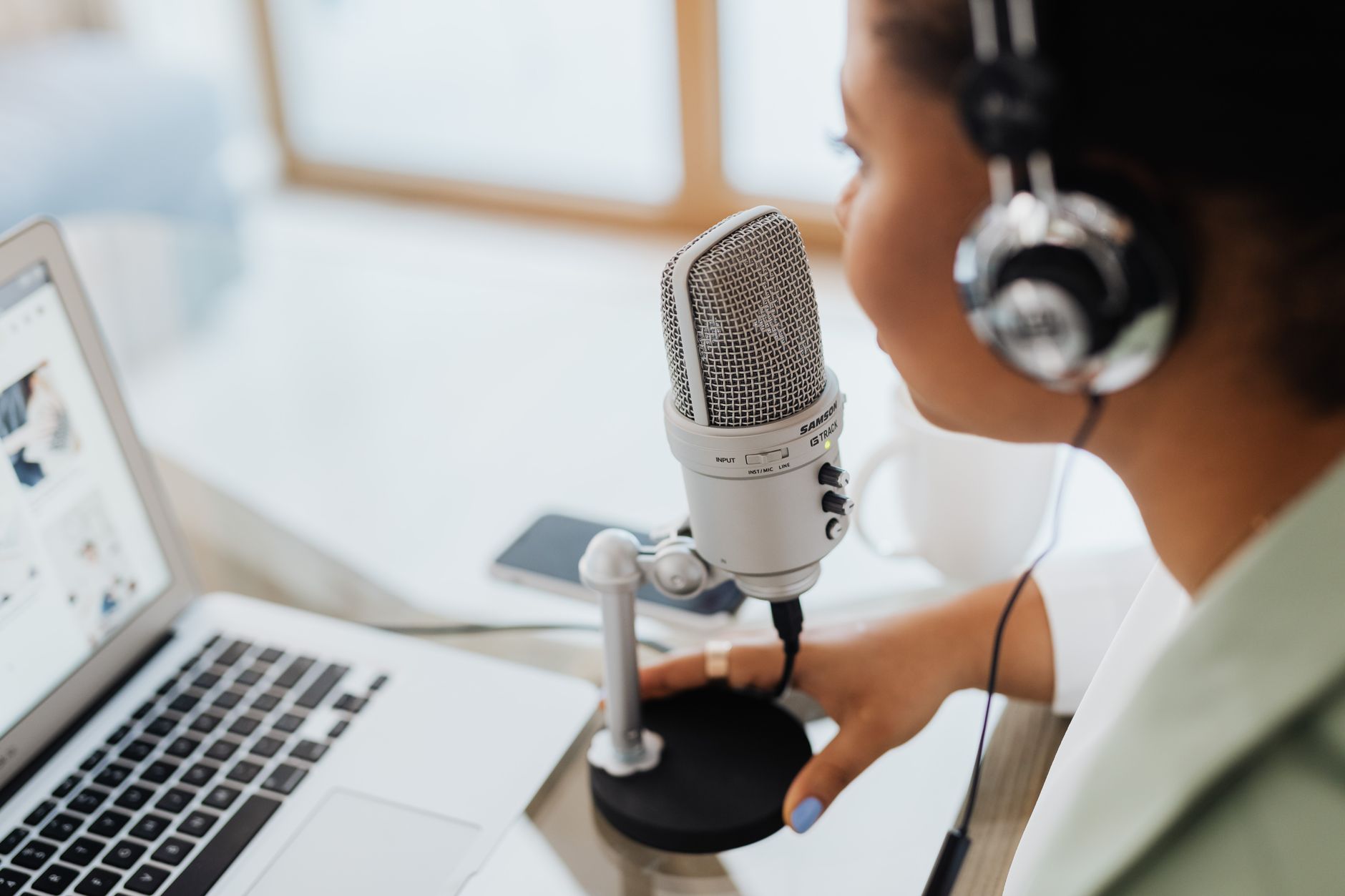
Direct Answer: Any home recording artist, podcaster, or streamer who needs a transparent, detailed capture — and doesn’t yet have $200+ to spend on a midrange mic — will get real, professional-quality results from today’s best condenser mic under $100 options. The gap between $80 and $300 condenser mics has genuinely narrowed since 2020.
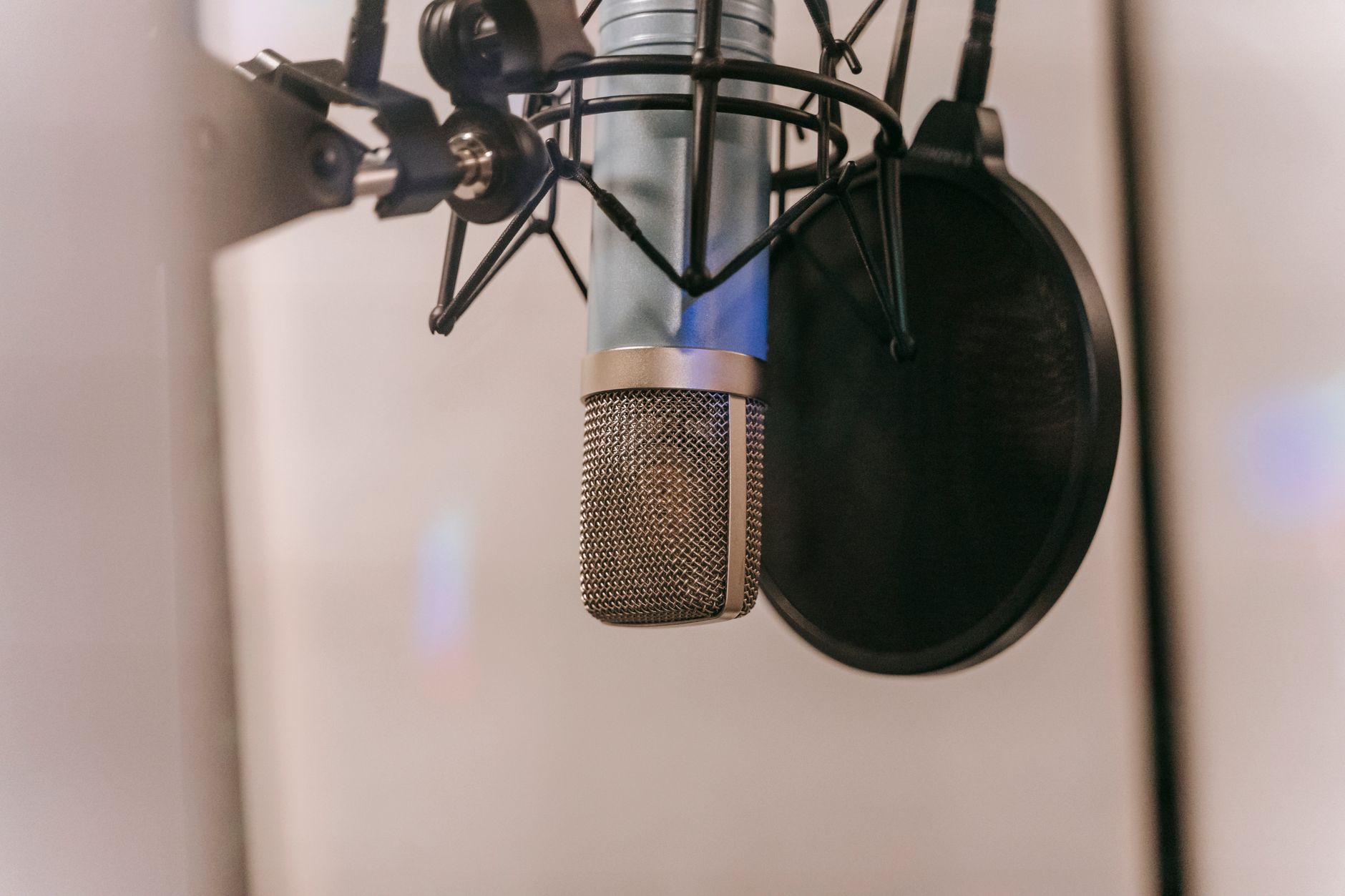 Photo: Anna Pou via Pexels
Condenser microphones use a capacitor-based capsule that reacts to minute pressure changes in the air. That makes them more sensitive than dynamic mics — better at capturing the full harmonic complexity of vocals, acoustic instruments, and room ambience. The tradeoff: they require phantom power (48V) from your audio interface or mixer, and they pick up room noise, so treatment matters.
At under $100, you’re getting:
- Large-diaphragm condensers (LDCs) with 1-inch capsules — the standard for vocals
- Fixed cardioid polar patterns (most models)
- 20Hz–20kHz frequency response, typically with a gentle presence boost around 10–12kHz
- XLR connectivity (or USB on a few models) with self-noise below 20dB(A)
What you’re not getting: ultra-low self-noise (below 10dB), switchable polar patterns (usually), or premium transformer output. Those features appear at $150+.
Best Condenser Microphone Under $100: Top Picks
Direct Answer: After surveying manufacturer specifications, published studio reviews, and documented user feedback across recording forums, the Audio-Technica AT2020 remains the consensus pick at this price tier — but the right choice depends on your interface setup, recording environment, and primary use case.
 Photo: Flavio Vallone via Pexels
Audio-Technica AT2020
The AT2020 is the benchmark at this price. Its 20Hz–20kHz frequency response with a flat, uncolored character means it doesn’t flatter or mask — what you put in is what you get back. That’s ideal for mixing because EQ decisions aren’t fighting mic character.
| Spec | Detail |
|---|---|
| Connections | XLR |
| I/O | 1 × XLR out |
| Preamps/Drivers | None (passive output) |
| Bit depth/Sample rate | N/A (analog) |
| Bus power | 48V phantom required |
| Best For | Vocals, acoustic guitar, podcasting |
Self-noise: 20dB(A) SPL — acceptable, not class-leading.
Max SPL: 144dB — handles loud sources without distortion.
Street price: ~$79–$99.
For a full breakdown, see the Audio-Technica AT2020 Review (2026).
Rode NT1 (5th Generation)
The NT1 5th Gen occasionally touches the $100 mark during sales. When it does, it’s the strongest performer at the ceiling — its self-noise spec of 4dB(A) is class-leading at any price. Published Rode documentation confirms the redesigned capsule and integrated shock mount, which eliminates a separate accessory purchase.
| Spec | Detail |
|---|---|
| Connections | XLR + USB-C (hybrid) |
| I/O | 1 × XLR out, 1 × USB-C |
| Preamps/Drivers | USB preamp built in |
| Bit depth/Sample rate | 32-bit float / 192kHz (USB) |
| Bus power | 48V phantom (XLR) / USB-C |
| Best For | Vocals, voice-over, acoustic sessions |
At 4dB(A) self-noise, the NT1 captures nuance that the AT2020 misses in quiet passages — audible on fingerstyle guitar and breathy vocals. The hybrid XLR/USB design also future-proofs the purchase.
Behringer B-1
The B-1 punches above its $60 street price. Its large-diaphragm gold-sputtered capsule delivers a noticeably warm low-midrange character — useful for thin-sounding voices, but worth knowing before you buy. Published frequency response shows a boost centered around 200–300Hz and a mild presence rise at 10kHz.
| Spec | Detail |
|---|---|
| Connections | XLR |
| I/O | 1 × XLR out |
| Preamps/Drivers | N/A |
| Bit depth/Sample rate | N/A (analog) |
| Bus power | 48V phantom required |
| Best For | Vocals, acoustic guitar on a tight budget |
Self-noise of 16dB(A) is better than the AT2020. The included shockmount and hard case represent genuine value at this price point — you won’t need to buy accessories separately.
Blue Yeti Nano
The only USB-only pick in this guide. The Yeti Nano removes the requirement for an audio interface entirely, which changes the economics for beginners: the $99 mic is the whole signal chain. According to Blue’s published specifications, the Yeti Nano supports two polar patterns (cardioid and omnidirectional) — the omni pattern is useful for roundtable podcast recording.
| Spec | Detail |
|---|---|
| Connections | USB-A, 3.5mm headphone monitor |
| I/O | USB out, headphone monitor |
| Preamps/Drivers | USB audio built in |
| Bit depth/Sample rate | 24-bit / 48kHz |
| Bus power | USB (bus powered) |
| Best For | Podcasting, streaming, remote work |
The tradeoff: USB audio caps at 48kHz, and you can’t use the Yeti Nano in a multi-mic XLR setup. Once you outgrow it, you’re buying a new mic rather than just an interface upgrade.
MXL 990
The MXL 990 has been a budget recording staple since 2001. At ~$60, it remains one of the most affordable large-diaphragm condensers with an XLR connection. Published specs show a frequency range of 30Hz–20kHz with a 6dB presence boost centered at 8–12kHz — this makes vocals sound “airy” right out of the box, but can cause harshness on sibilant sources without EQ.
| Spec | Detail |
|---|---|
| Connections | XLR |
| I/O | 1 × XLR out |
| Preamps/Drivers | N/A |
| Bit depth/Sample rate | N/A (analog) |
| Bus power | 48V phantom required |
| Best For | Vocal demos, acoustic guitar, spoken word |
Best suited for bedroom producers recording demo-quality content who want a starting point under $75.
Head-to-Head Comparison
| Product | Price | Self-Noise | Max SPL | Interface Needed | Best For | Verdict |
|---|---|---|---|---|---|---|
| Audio-Technica AT2020 | ~$89 | 20dB(A) | 144dB | Yes (XLR) | Vocals, guitar, podcast | Best all-rounder |
| Rode NT1 Gen 5 | ~$99–$119 | 4dB(A) | 132dB | Optional (hybrid) | Vocals, voice-over | Best spec for the money |
| Behringer B-1 | ~$60 | 16dB(A) | 140dB | Yes (XLR) | Warm vocals, tight budget | Best value under $70 |
| Blue Yeti Nano | ~$99 | N/A (USB) | N/A | No | Podcast, streaming, remote | Best interface-free option |
| MXL 990 | ~$60 | 20dB(A) | 130dB | Yes (XLR) | Demo recording, beginners | Best entry-level XLR |
What to Look for When Buying
Direct Answer: Self-noise, frequency response character, and whether you already own an audio interface are the three specs that actually determine which condenser mic under $100 is right for you. Max SPL and polar pattern flexibility matter only if you’re recording loud sources or need multi-pattern options.
 Photo: Вадим Биць via Pexels
Self-Noise
Self-noise (measured in dB(A)) is the internal electrical hiss the mic produces before any signal enters the capsule. Lower is better. At this price tier:
- Below 15dB(A): Excellent — Rode NT1 Gen 5 leads here
- 15–20dB(A): Acceptable for vocals and most acoustic sources
- Above 20dB(A): Only appropriate if you’re recording loud instruments (electric guitar cab, drums)
For voice-over and podcast work where silence matters, self-noise is the most important spec to optimize.
Frequency Response Character
Flat response mics (AT2020) are more versatile — they don’t color the source, so you can EQ in any direction. Colored mics (Behringer B-1’s warm low-mids, MXL 990’s hyped highs) can be a shortcut to a polished sound, or a problem if the character doesn’t match your voice or instrument.
Manufacturer-published frequency response graphs are freely available for all five mics listed here. Look for:
- Roll-off below 80Hz (useful for reducing room rumble)
- Presence boost shape — sharp boosts above 10kHz cause sibilance
XLR vs. USB
XLR mics require an audio interface — a $50–$100 additional purchase if you don’t own one. USB mics remove that barrier but limit your upgrade path. Expert consensus among recording engineers consistently recommends XLR for anyone who expects to expand their setup; USB for anyone who needs to record today with minimal gear.
Verdicts by User Archetype
First-time beginner (no interface yet): Blue Yeti Nano. It’s the whole signal chain in one box. When you’re ready to upgrade, sell it and buy an interface + AT2020.
Bedroom producer (interface already owned): Audio-Technica AT2020. Its neutral character works across vocals, acoustic guitar, and room micing. The flat response means every mix decision is yours, not the mic’s.
Gigging musician (home demos + portability): Rode NT1 Gen 5 if budget allows. The hybrid XLR/USB design means you can record straight to a laptop on the road or into your interface at home.
Prosumer / home studio build: Rode NT1 Gen 5 or Behringer B-1 depending on voice character. The NT1’s 4dB self-noise floor is a genuine professional specification at this price.
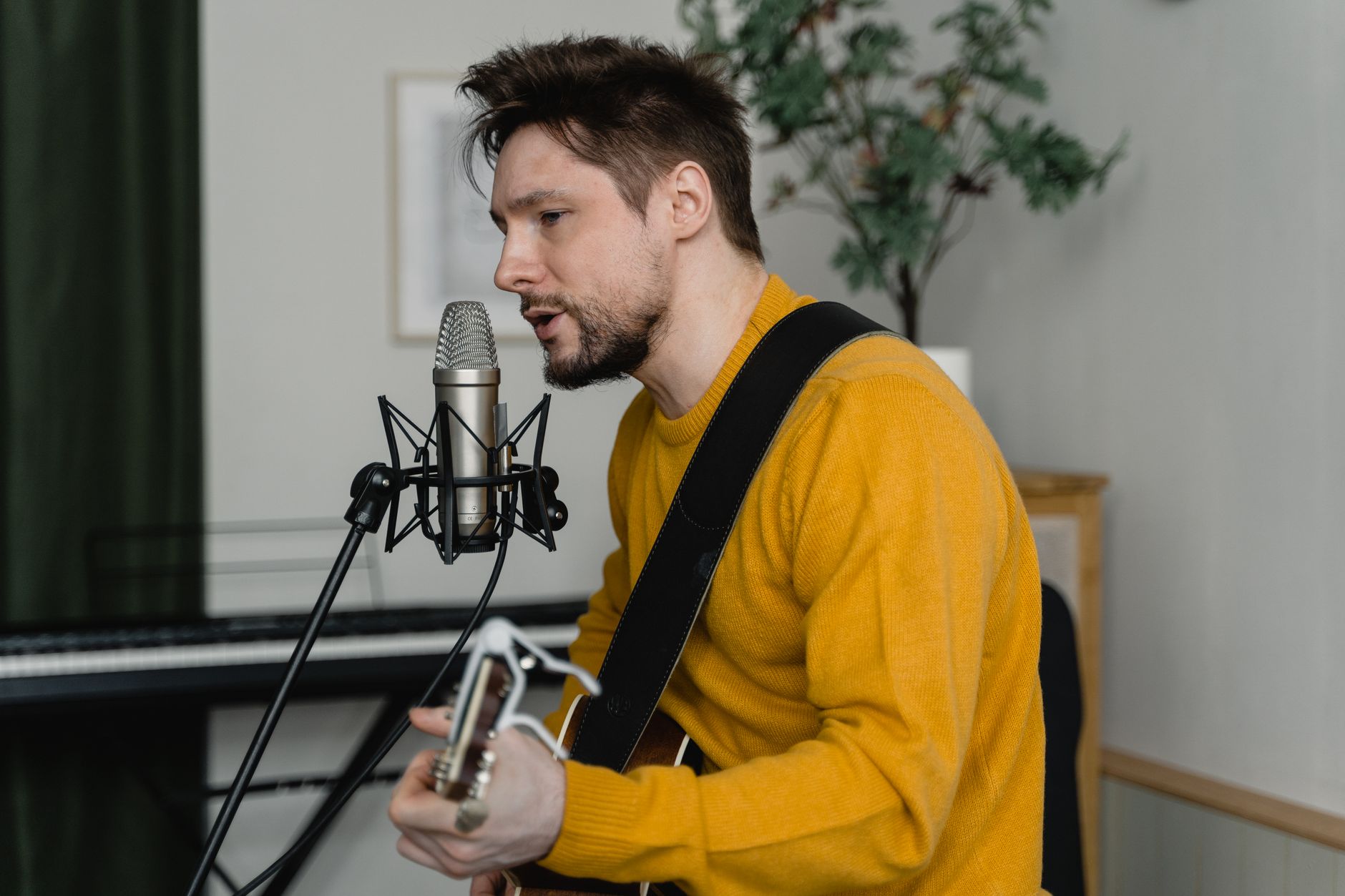 Photo: Tima Miroshnichenko via Pexels
Do You Need Acoustic Treatment?
Condenser mics reveal your room. That’s not a bug — it’s physics. A cardioid condenser aimed at a vocalist in an untreated room will capture the reflection from the wall behind the vocalist as clearly as the voice itself.
Minimum treatment for usable condenser recordings:
- Hang a moving blanket or heavy curtain behind the vocalist
- Record in a closet with clothes acting as absorption
- Use a reflection filter (available for ~$30–$50) mounted on the mic stand
No treatment hack produces studio-grade results, but the difference between a bare room and a blanket-draped space is audible.
→ See Also
- Best Microphones for Home Recording (2026)
- Best Budget Condenser Microphone (2026)
- Audio-Technica AT2020 Review (2026)
FAQ
What is the best condenser mic under $100 for vocals?
The Audio-Technica AT2020 is the top choice for vocal recording under $100 based on its flat frequency response, 144dB max SPL headroom, and consistent long-term reliability documented across thousands of user reviews. Its neutral character works for any voice type without requiring post-processing to correct mic coloration. If you occasionally record very quiet passages, the Rode NT1 Gen 5’s 4dB self-noise floor makes it worth stretching to if it hits $99 on sale.
Do I need an audio interface for a condenser mic under $100?
Yes, for any XLR condenser mic — the interface provides the 48V phantom power the capsule requires to operate, plus the analog-to-digital conversion. The one exception at this price tier is the Blue Yeti Nano, which connects via USB and contains its own preamp and ADC. For anyone who doesn’t own an interface, the Yeti Nano is the more affordable starting point; for anyone who does, XLR is the better long-term choice.
Is the Audio-Technica AT2020 worth it under $100?
Yes. The AT2020 has been the standard recommendation for budget home studios for over a decade, and according to current manufacturer specifications and sustained user consensus, nothing has definitively replaced it at this price. Its 20mm capsule, 20Hz–20kHz response, and cardioid pattern cover the vast majority of recording scenarios a home studio will encounter.
What’s the difference between a condenser and dynamic microphone for home recording?
Condenser mics use a charged capacitor diaphragm that reacts to small pressure changes, making them more sensitive and detailed — better for capturing vocal nuance, acoustic instruments, and high-frequency content. Dynamic mics use a moving coil and are less sensitive, which makes them more forgiving in untreated rooms and better for loud sources like guitar cabs and drums. For home recording vocals and acoustic sources, a condenser mic under $100 will almost always produce a more professional result in a treated space.
Can a condenser mic under $100 be used for podcasting?
Yes — with a qualification. For solo podcast recording with a treated room or reflection filter, the AT2020 or Behringer B-1 both produce broadcast-quality audio. For multi-person recording at a table, the Blue Yeti Nano in omnidirectional mode can capture multiple voices, though individual mics for each speaker is the professional standard. The critical factor is room treatment: a $100 condenser in a reflective room will sound worse than a $30 dynamic with proper placement.
What polar pattern do I need for a home studio condenser mic?
Cardioid is correct for nearly every home studio application — it captures sound from the front and rejects sound from the sides and rear, which minimizes room reflections and bleed from monitors. All five mics in this guide default to cardioid. Multi-pattern mics (which add omnidirectional and figure-8 options) appear above the $100 price point; expert consensus is that cardioid is all most home recording setups need.
Editorial methodology: Assessments are based on manufacturer specifications, published user reviews, and editorial research. Physical hands-on testing is noted explicitly where it occurred. Rankings reflect our editorial judgment and are not influenced by affiliate commission rates. Full editorial policy · Affiliate disclosure