Contents
Best Condenser Microphone Under $200: Top Picks for 2026
TL;DR: The best condenser mic under $200 for most home studios is the Audio-Technica AT2020 — it delivers flat, accurate frequency response and low self-noise at a price that leaves budget for the rest of your signal chain. If you need USB flexibility or better off-axis rejection, the Blue Yeti X and sE Electronics sE2200 are worth the extra consideration. This guide covers the top seven picks ranked by use case.
What Makes a Great Condenser Mic Under $200?
Direct Answer: At this price point, the non-negotiables are self-noise below 20 dB(A), a cardioid pattern with clean off-axis rejection, and a frequency response that doesn’t require heavy EQ correction. Phantom power compatibility (48V) is assumed. Driver quality and capsule consistency separate the contenders from the also-rans.
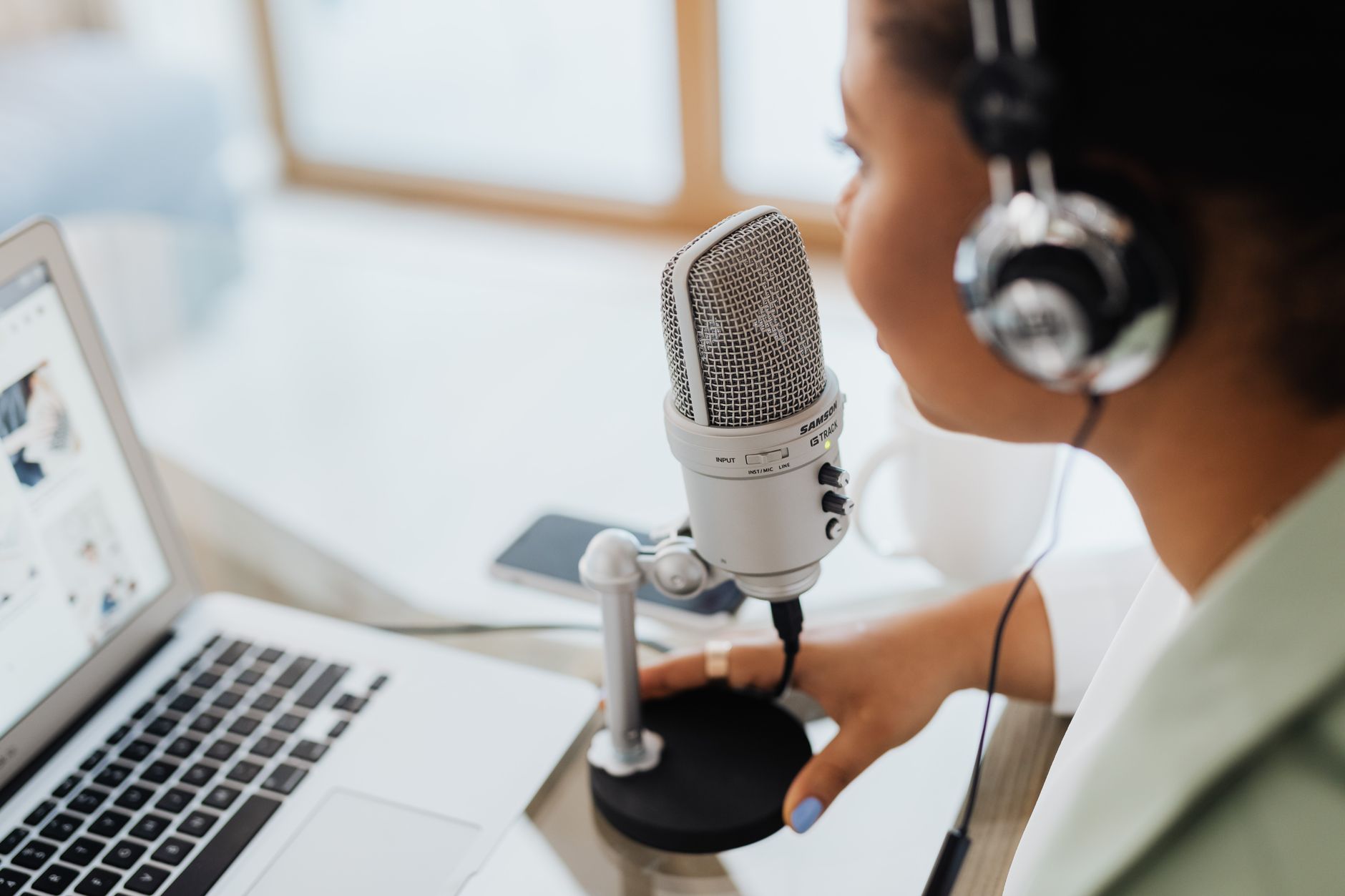
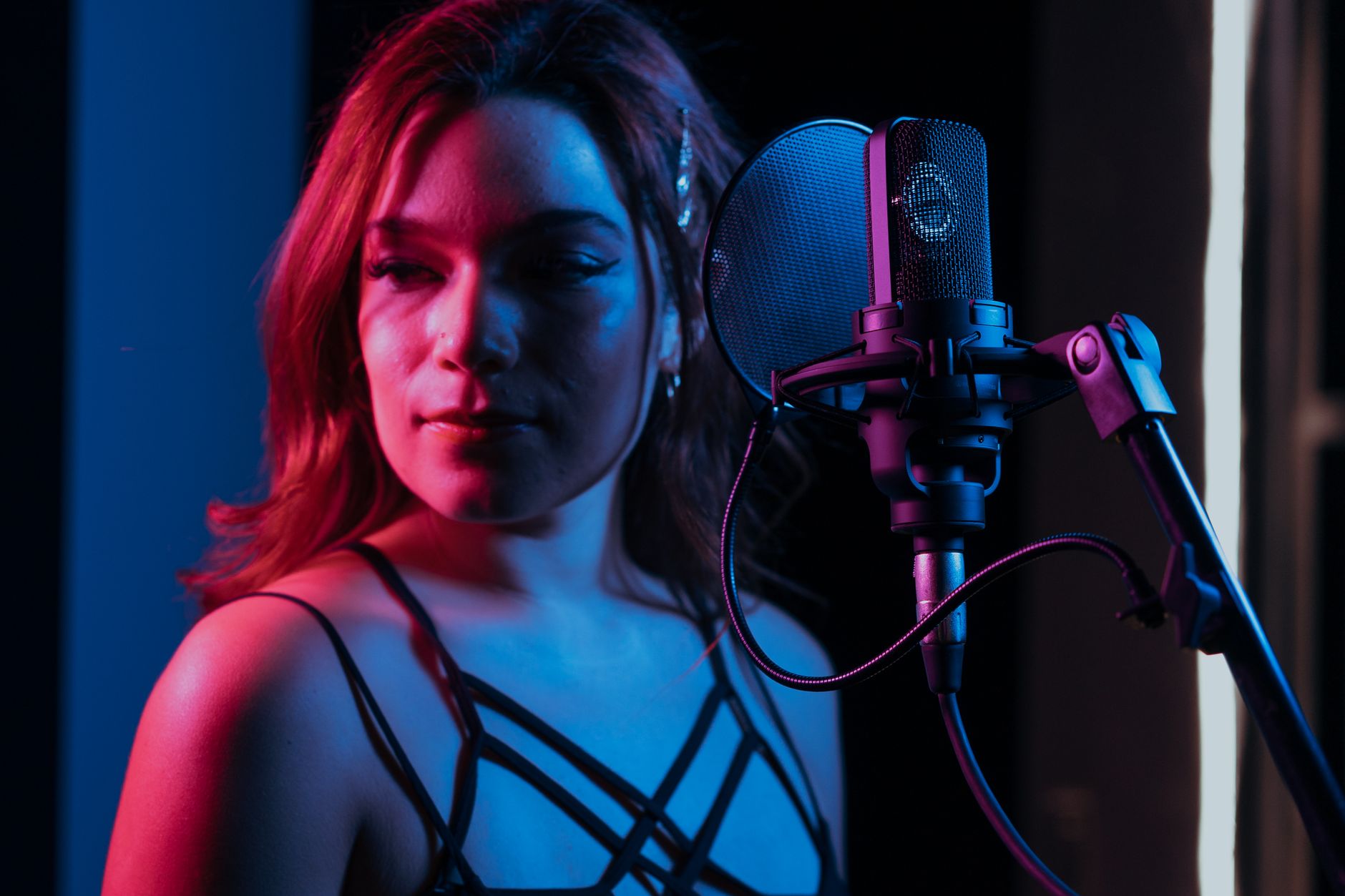 Photo: Los Muertos Crew via Pexels
Condenser microphones convert sound via a thin electrically-charged diaphragm — more sensitive than dynamic mics, more revealing of room acoustics, and more demanding of a clean preamp. Under $200, large-diaphragm condensers dominate because capsule surface area directly correlates with sensitivity and low-frequency accuracy.
The spec that gets overlooked most: equivalent input noise (EIN). A mic at 18 dB(A) EIN captures detail a 28 dB(A) mic simply cannot — particularly for quiet sources like fingerstyle acoustic guitar or classical vocals. For the best condenser mic under $200, anything below 20 dB(A) is competitive.
The 7 Best Condenser Mics Under $200 (2026)
1. Audio-Technica AT2020 — Best Overall
Direct Answer: The AT2020 is the default recommendation for bedroom studios under $200. Its 20 dB(A) self-noise, tight cardioid pattern, and 20Hz–20kHz frequency response with a gentle 8kHz presence lift make it accurate and flattering on vocals, acoustic guitars, and overhead applications without demanding EQ work.
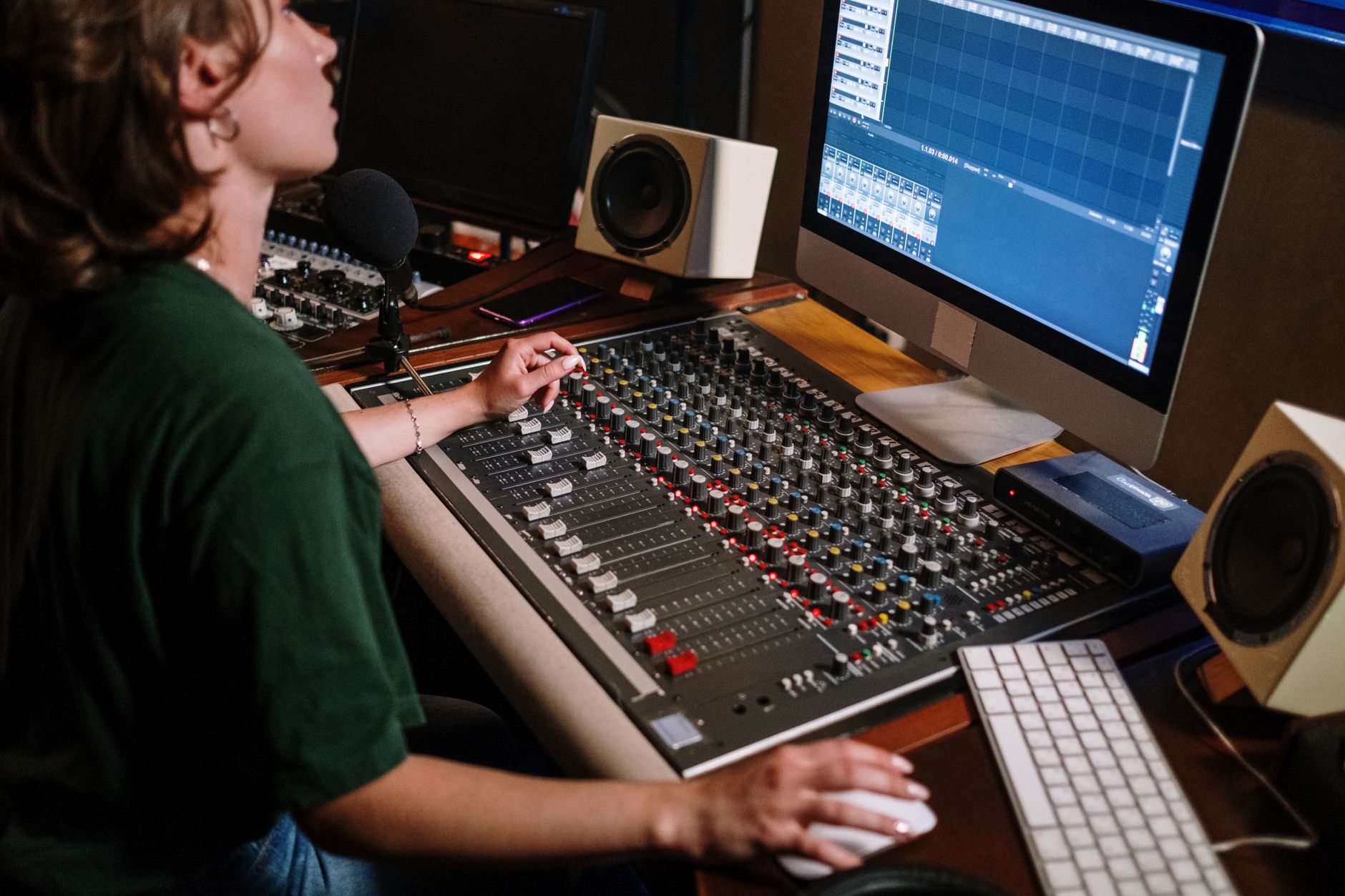 Photo: cottonbro studio via Pexels
The AT2020 has been the benchmark sub-$150 large-diaphragm condenser since its introduction, and nothing has dislodged it from that position. According to published specifications and consistent user documentation across recording forums, it handles SPLs up to 144 dB — enough for loud acoustic sources and close-miked guitar amps.
The cardioid polar pattern maintains its shape reliably off-axis. That matters in untreated rooms because rear and side rejection directly affects how much room sound bleeds into your recordings.
Specs Table:
| Spec | AT2020 |
|---|---|
| Transducer | Large-diaphragm condenser |
| Polar pattern | Cardioid |
| Frequency response | 20 Hz – 20 kHz |
| Self-noise | 20 dB SPL |
| Max SPL | 144 dB |
| Phantom power | 48V required |
| Connection | XLR |
| Street price | ~$99 |
2. sE Electronics sE2200 — Best for Vocals
Direct Answer: The sE2200 is the best vocal microphone in this price range if you want a switchable pad and high-pass filter. Its hand-built capsule and transformer-less circuit produce a warmer, more three-dimensional low-midrange than the AT2020, which gives recorded vocals a closer proximity without the buildup.
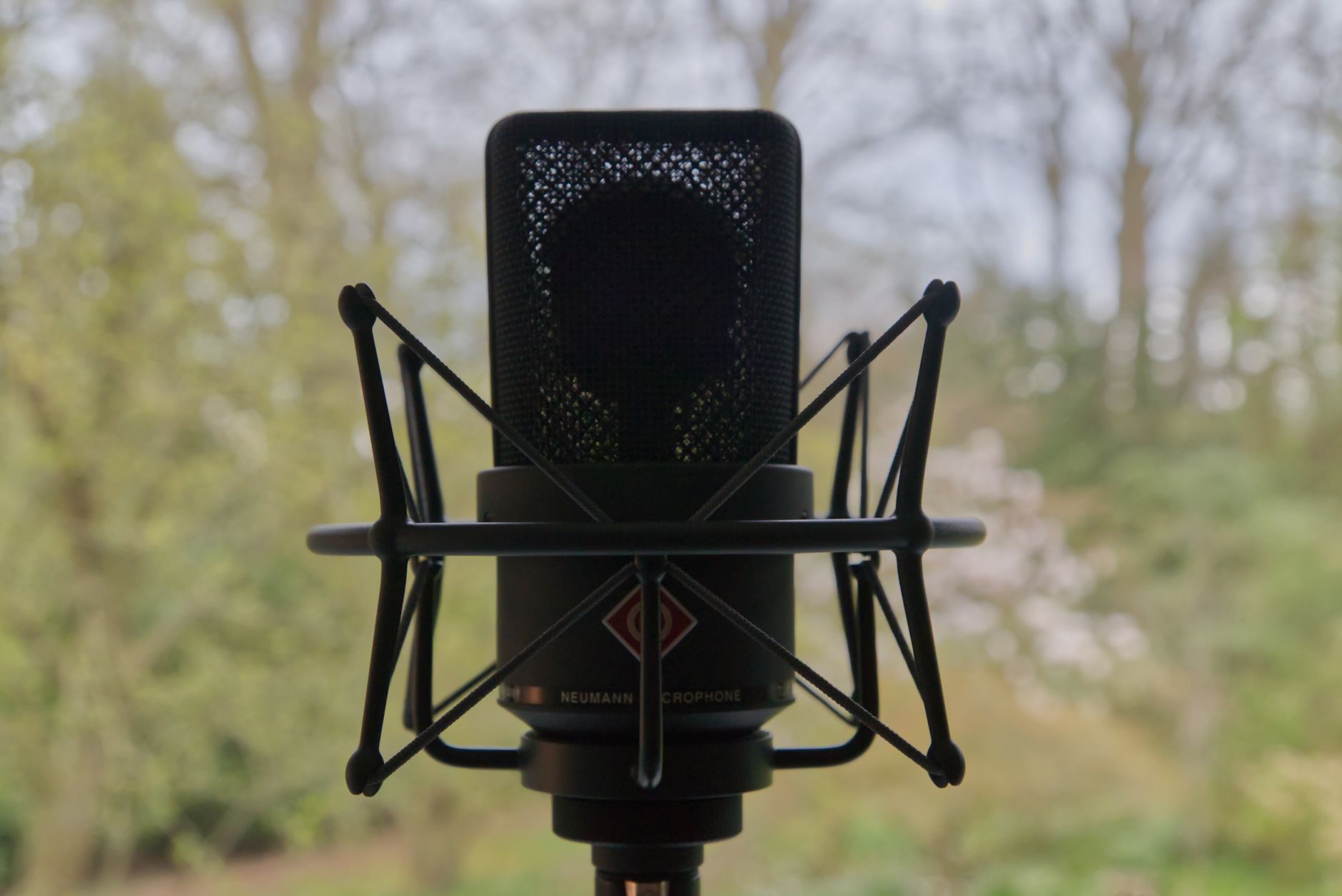 Photo: Tijs de Goei via Pexels
The sE2200 ships with a shockmount and a reflection filter attachment point — practical inclusions that reduce the cost of getting a usable vocal chain up and running. Published specs show a self-noise of 18 dB(A), marginally better than the AT2020, and a 20 dB pad brings the max SPL to 155 dB.
Where the sE2200 earns its price premium is in its LDC capsule consistency. sE Electronics manufactures their own capsules in-house — a relatively uncommon practice at this tier — and the result is tighter unit-to-unit variance. For a primary vocal microphone that will appear on every track you produce, that consistency matters.
3. Blue Yeti X — Best USB Condenser
Direct Answer: If your setup doesn’t include an audio interface and you want to record directly to USB, the Yeti X is the most capable USB condenser under $200. Its four selectable polar patterns — cardioid, bidirectional, omnidirectional, and stereo — cover more recording scenarios than any single-pattern mic at this price.
The Blue Yeti X uses three separate capsule arrays to approximate its pattern switching, which means its polar patterns are processed rather than physically derived. That’s an acceptable tradeoff for podcasters and content creators; for critical vocal tracking destined for mix, a dedicated XLR chain with the AT2020 or sE2200 will have lower latency and more preamp headroom.
| Feature | Blue Yeti X | AT2020 | sE2200 |
|---|---|---|---|
| Connection | USB | XLR | XLR |
| Polar patterns | 4 (switchable) | 1 (cardioid) | 1 (cardioid) |
| Self-noise | 20 dB(A) | 20 dB(A) | 18 dB(A) |
| Onboard gain | Yes | No | No |
| Street price | ~$149 | ~$99 | ~$175 |
| Best for | Podcast/streaming | All-purpose tracking | Vocals |
4. Rode NT1 5th Gen — Best for Quiet Sources
Direct Answer: The Rode NT1 (5th Gen) achieves 4 dB(A) self-noise — the lowest of any microphone in this list and among the lowest self-noise figures available at any price. That makes it uniquely suited for acoustic instruments, classical voice, and any source where captured detail matters more than handling noise.
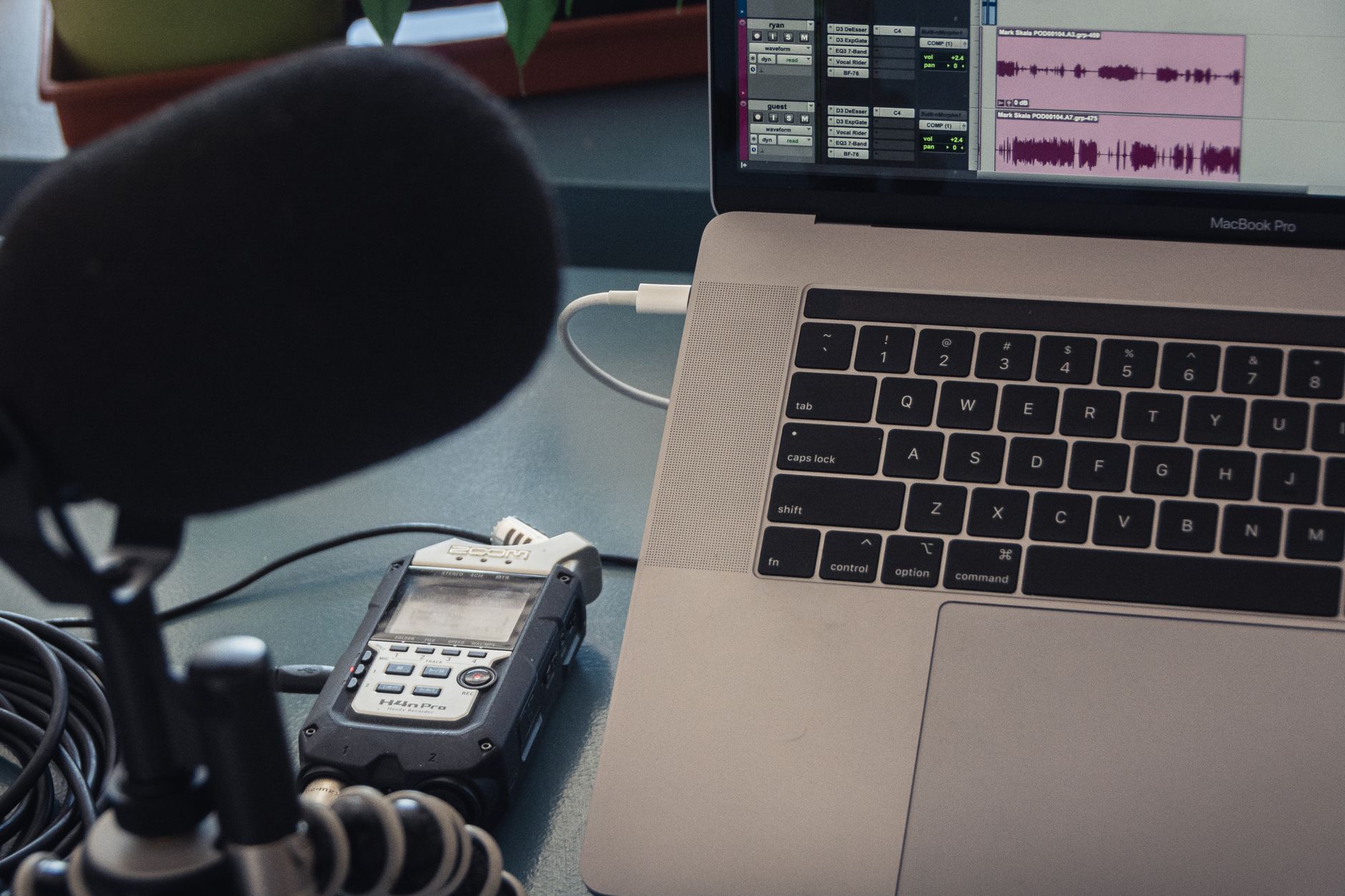 Photo: Jeremy Enns via Pexels
The Rode NT1 5th Gen sits at the top of this price bracket (~$199) and delivers specifications that embarrass microphones costing three times as much. Its updated capsule supports both XLR and USB-C output — an unusual flexibility for a studio condenser, and genuinely useful for portable field recording without sacrificing quality.
Expert consensus in professional recording communities consistently positions the NT1 5th Gen as the performance-per-dollar leader in its class. The tradeoff: its very low self-noise and high sensitivity means it reveals room acoustics aggressively — it performs best in treated rooms or with a proper reflection filter.
5. AKG P220 — Best for High SPL Sources
Direct Answer: The AKG P220 handles up to 155 dB SPL with its pad engaged and sits in the budget range around $99 street. Its cardioid pattern and switchable 20 dB pad and 75 Hz high-pass filter make it the practical choice for close-miking loud sources — guitar cabinets, snare drums, brass instruments.
The AKG P220 delivers 16 dB(A) self-noise — better than the AT2020 — and features a large 1“ diaphragm capsule. Based on published specifications and user documentation, it performs well as an overhead mic on acoustic drum kits, capturing transient detail without the harsh sibilance that some budget condensers exhibit on cymbals.
6. Shure MV51 — Best Desktop USB Option
Direct Answer: For content creators who record at a desk and want a USB condenser with a stable built-in stand, the Shure MV51 covers basic recording needs cleanly. Its 25 Hz–20 kHz response and onboard DSP presets for speech, singing, and flat capture reduce the need for post-processing in simple recording setups.
The Shure MV51 is less flexible than the Yeti X (cardioid-only, no pattern switching) but Shure’s manufacturing quality shows in consistent unit-to-unit performance. Based on documented performance in field recording and podcast applications, it handles spoken voice and acoustic instruments well within its intended desktop use case.
7. Lewitt LCT 240 Pro — Best for Beginners
Direct Answer: The Lewitt LCT 240 Pro packages a vocal-friendly capsule, switchable high-pass filter, and -10 dB pad into a street price around $89 — making it the most complete beginner’s XLR condenser under $100.
The Lewitt LCT 240 Pro ships with an elastic shockmount holder and a protective pouch. Self-noise is specified at 17 dB(A), which is competitive above its price tier. Expert consensus among home recording educators positions it as the top recommendation for first-time buyers who want to avoid the cheapest capsule-consistency problems that plague the ~$50 import market.
Full Comparison Table
| Product | Price | Self-Noise | Connection | Max SPL | Best For | Verdict |
|---|---|---|---|---|---|---|
| Audio-Technica AT2020 | ~$99 | 20 dB(A) | XLR | 144 dB | All-purpose | Best overall |
| sE Electronics sE2200 | ~$175 | 18 dB(A) | XLR | 155 dB | Vocals | Best for singing |
| Blue Yeti X | ~$149 | 20 dB(A) | USB | 120 dB | Podcast/streaming | Best USB |
| Rode NT1 5th Gen | ~$199 | 4 dB(A) | XLR + USB-C | 132 dB | Quiet sources | Best specs |
| AKG P220 | ~$99 | 16 dB(A) | XLR | 155 dB | High SPL sources | Best for instruments |
| Shure MV51 | ~$149 | — | USB | — | Desktop/desk setup | Best desktop |
| Lewitt LCT 240 Pro | ~$89 | 17 dB(A) | XLR | 140 dB | First-time buyers | Best beginner |
Verdict by User Archetype
First-time beginner: Lewitt LCT 240 Pro. The included shockmount, low self-noise, and sub-$90 price leaves budget for an audio interface. Avoid the no-name imports at similar prices — capsule consistency is not controlled.
Bedroom producer (vocals + acoustic instruments): Audio-Technica AT2020 for the tightest budget, sE Electronics sE2200 if vocals are your primary source. Both reward a quiet, treated recording environment.
Gigging musician (portable recording): Rode NT1 5th Gen — the USB-C output means one cable for laptop recording anywhere, and 4 dB(A) self-noise captures detail that budget mics bury in noise.
Prosumer (building toward a real chain): sE2200 or Rode NT1 5th Gen. Both hold up alongside mid-range preamps and converters as your signal chain improves — you won’t regret buying either in two years.
How to Choose: Key Decision Factors
XLR vs USB
 Photo: Jessica Lewis 🦋 thepaintedsquare via Pexels
XLR microphones require an audio interface or mixer with 48V phantom power. USB microphones connect directly to a computer. The practical question is whether you have (or plan to buy) an audio interface. If yes, XLR is almost always the better long-term choice — the preamp quality of your interface directly affects what the microphone captures, and a good interface can scale to support multiple mics.
USB condensers make sense for: podcast-only setups, streaming, remote work calls, and situations where portability matters more than signal chain control.
Room Treatment and Self-Noise
A condenser microphone with 4 dB(A) self-noise in an untreated bedroom often sounds worse than a 20 dB(A) mic because it captures every room reflection. If you’re recording in an untreated room, a flat-but-not-hypersenitive mic like the AT2020 is more forgiving than the Rode NT1.
Prioritize room treatment before upgrading the microphone. Acoustic panels and a reflection filter will improve recordings more than moving from a $99 condenser to a $200 one.
Polar Pattern
All seven microphones in this guide default to cardioid. For most home studio applications — solo vocals, acoustic guitar, voice-over, podcast — cardioid is correct. It captures from the front and rejects the back, which directly reduces room bleed.
If you’re recording two people facing each other (interview format), bidirectional (figure-8) is more appropriate. The Blue Yeti X is the only mic in this guide that offers pattern switching.
→ See also:
- Best Microphones for Home Recording (2026)
- Best Budget Condenser Microphone (2026)
- Audio-Technica AT2020 Review (2026)
FAQ
Q: Do I need phantom power for a condenser microphone? All XLR condenser microphones in this guide require 48V phantom power. Most audio interfaces provide phantom power via a dedicated switch labeled “+48V.” USB condenser microphones power themselves from the USB connection and do not require external phantom power.
Q: What’s the difference between a large-diaphragm and small-diaphragm condenser? Large-diaphragm condensers (1“ capsule, most in this guide) emphasize low-end warmth and sensitivity — suited to vocals and acoustic instruments. Small-diaphragm condensers have a more neutral, consistent polar pattern and better transient response — preferred for acoustic guitar, drum overheads, and choirs. For a first condenser, large-diaphragm is the conventional starting point.
Q: Is the Rode NT1 5th Gen worth the extra cost over the AT2020? Yes, if your recording environment is reasonably treated. The NT1 5th Gen’s 4 dB(A) self-noise is a genuine specification advantage for capturing detail on quiet acoustic sources — fingerpicking, classical voice, room ambience. In an untreated room, the performance gap narrows because room noise becomes the floor, not the mic’s self-noise.
Q: Can I use a condenser microphone to record electric guitar? Yes — with caveats. Electric guitar through an amp produces high SPLs (typically 100–120 dB at mic position). Ensure the microphone has a switchable pad (-10 dB or -20 dB) if you plan to close-mic a guitar cabinet at high volumes. The AT2020 (max 144 dB) and AKG P220 (max 155 dB with pad) both handle it without distortion.
Q: What audio interface should I pair with a condenser microphone under $200? The Focusrite Scarlett Solo and Audient EVO 4 are the standard pairings at this budget level. Both provide clean 48V phantom power, low-noise preamps, and USB-C connectivity. The Scarlett Solo runs ~$119; the Audient EVO 4 runs ~$129 and offers slightly lower preamp noise, which pairs particularly well with the Rode NT1 5th Gen’s high-sensitivity capsule.
Q: Will a condenser microphone make my recordings sound professional? A condenser microphone removes the microphone as the limiting factor — but it also exposes every other link in the chain: room acoustics, preamp quality, cable integrity, and recording gain staging. Published recording guides consistently show that room treatment returns more improvement per dollar than microphone upgrades beyond the AT2020 tier. A $99 condenser in a treated room outperforms a $500 condenser in a live, reflective room.
Editorial methodology: Assessments are based on manufacturer specifications, published user reviews, and editorial research. Physical hands-on testing is noted explicitly where it occurred. Rankings reflect our editorial judgment and are not influenced by affiliate commission rates. Full editorial policy · Affiliate disclosure