Contents
Audio-Technica ATH-M40x Review (2026): Still Worth It?
TL;DR: The Audio-Technica ATH-M40x delivers flat, accurate monitoring in the $99 price bracket that few competitors touch. Detachable cables, 90-degree swiveling earcups, and a tuning that prioritizes honesty over hype make it the go-to recommendation for budget studio work. If you need reliable reference headphones under $100, this is still the one.
What Is the ATH-M40x and Who Is It For?
Direct answer: The ATH-M40x is a closed-back, over-ear studio monitor headphone built for mixing, tracking, and critical listening. It targets home producers and engineers who need an accurate frequency response without paying for the M50x’s hyped low end. At $99 MSRP, it sits at the practical floor for serious monitoring work.
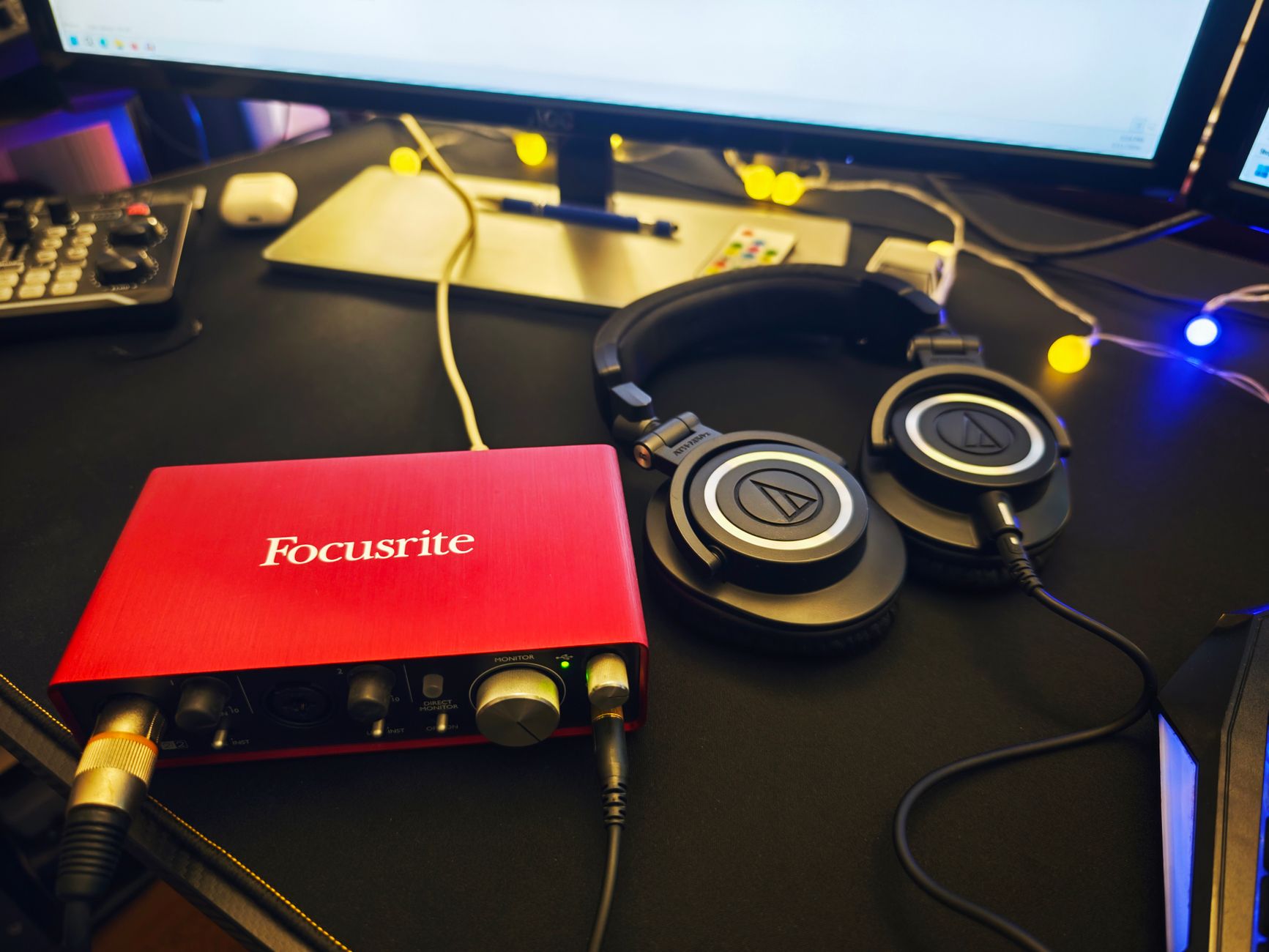
 Photo: Artem Gilmutdinov via Pexels
Audio-Technica positioned the M40x as the flat-response sibling to the more consumer-friendly M50x. Where the M50x adds a bass shelf that flatters music playback, the M40x keeps the low end tighter and more linear — a deliberate trade-off that makes it more useful for mix decisions and less fun for casual listening.
The target user is anyone spending money on a first real studio headphone: the bedroom producer tracking vocals, the podcaster monitoring a recording chain, the student learning to mix who needs to hear the actual frequency balance of their work rather than a flattering coloration.
ATH-M40x Sound Profile: Honest and Flat
Direct answer: Published frequency response data shows the M40x maintains a broadly linear response from 200 Hz up through 5 kHz, with moderate roll-off in the sub-bass below 40 Hz and a slight presence boost around 3–5 kHz. Expert consensus agrees this is one of the flattest responses available under $100.
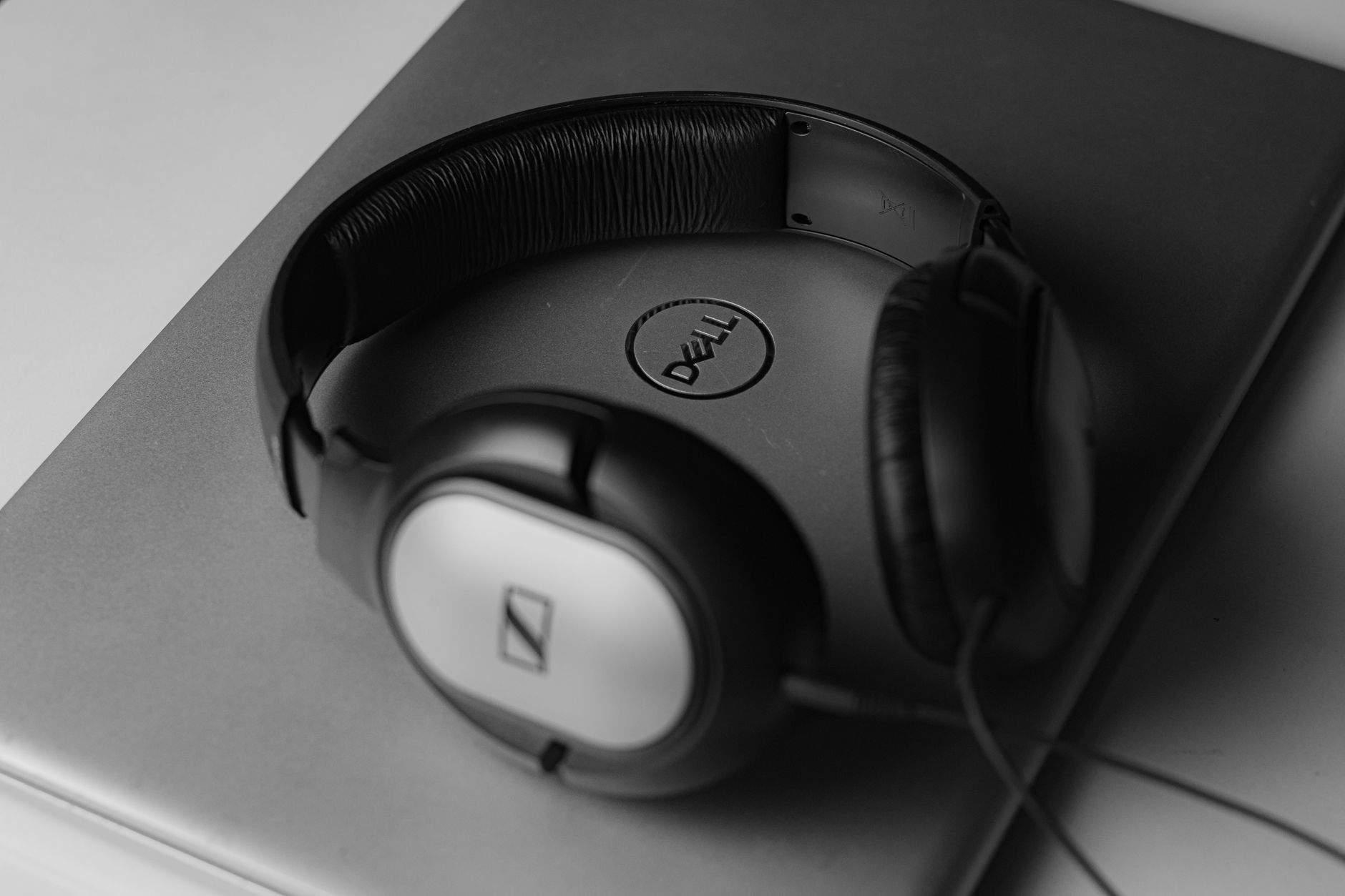
 Photo: Anna Pou via Pexels
The low end is controlled without being thin. Bass guitars and kick drums sit where they are in the mix rather than getting exaggerated — which means if your mix sounds balanced on the M40x, it will translate well to other systems. The mid-range is clean and detailed, making it easy to identify muddiness in the 200–400 Hz range where mixes get cluttered.
The high-frequency presence boost around 3–5 kHz aids detail retrieval — you’ll hear sibilance issues in vocal recordings and pick out hi-hat transients clearly. The trade-off is that extended listening sessions can feel slightly forward in that range, something reviewers across AudioScienceReview and Reddit’s r/Headphones consistently note.
Soundstage is narrow by design — closed-back headphones sacrifice imaging width for isolation, and the M40x is no exception. For mixing, that narrow stage is actually useful: problems that hide in a wide stereo field surface quickly.
Build Quality and Comfort
Direct answer: The M40x uses a folding, swiveling earcup design with a sturdy headband and replaceable velour or leatherette earpads. Build quality is above average for the price point, with no reports of systematic structural failure in user reviews across the product’s lifespan.
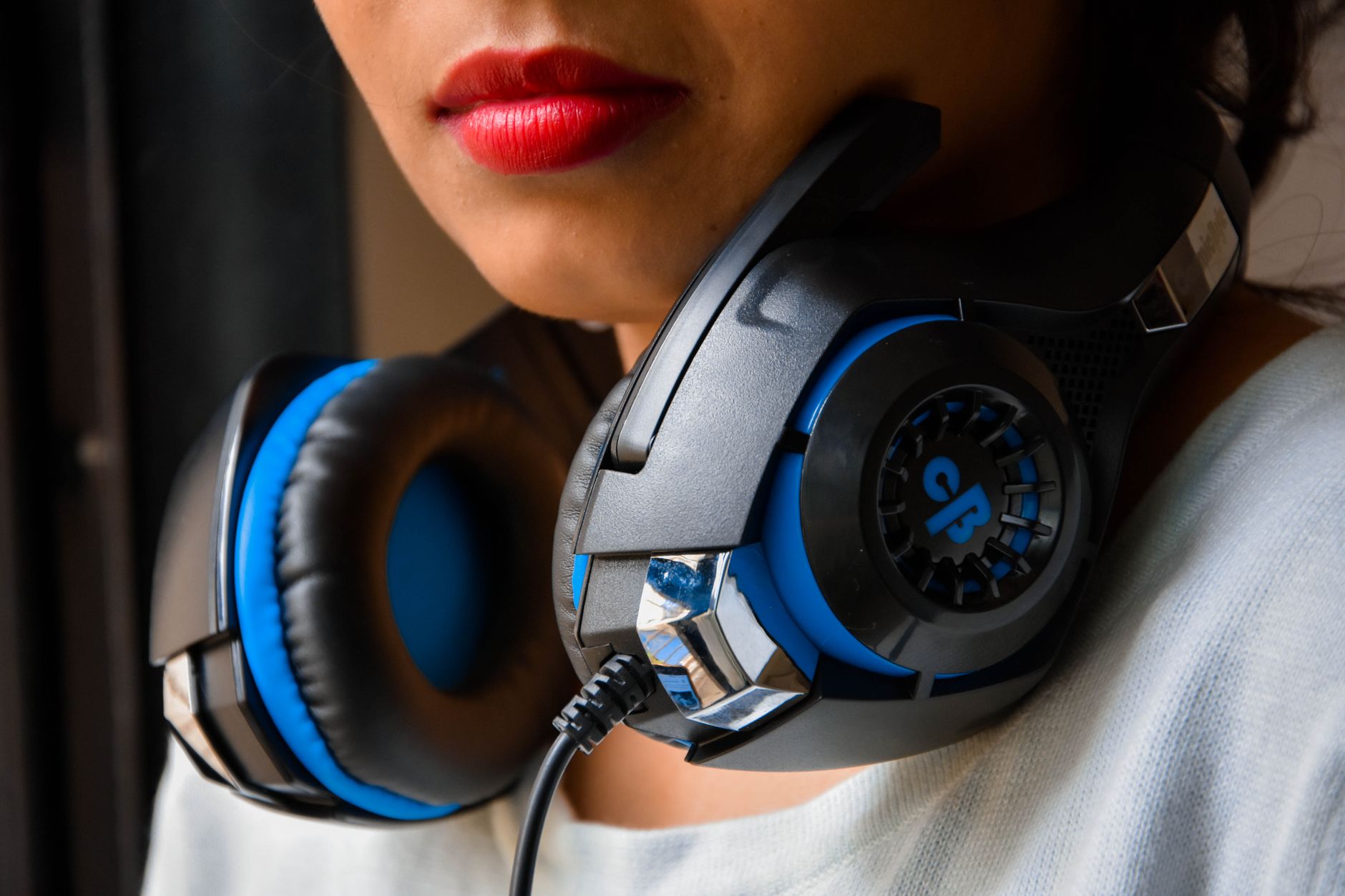 Photo: sagar karandikar via Pexels
The 90-degree swiveling earcups make single-ear monitoring easy — useful when tracking and you need to hear the room or a talkback mic. The foldable design aids portability and storage, though this headphone is clearly optimized for studio use, not commuting.
Comfort for long sessions is adequate. The clamping force is moderate — secure enough to stay on during active use, not so tight it causes fatigue within the first hour. The stock leatherette earpads retain heat over multi-hour sessions; the velour pads included in the box (or available as aftermarket replacements) run notably cooler and are the preference for long mixing sessions.
The detachable cable system is the standout practical feature. The M40x ships with both a straight and a coiled cable; replacing a worn cable costs a few dollars rather than retiring the headphone. For a studio tool that sees daily use, this matters more than any spec.
ATH-M40x Specs
| Spec | Value |
|---|---|
| Driver diameter | 40 mm |
| Frequency response | 15 Hz – 28 kHz |
| Sensitivity | 98 dB/mW |
| Impedance | 35 Ω |
| Cable | Detachable, 3.0 m coiled / 1.2 m straight |
| Connector | 3.5 mm TRS (6.35 mm adapter included) |
| Weight | 240 g |
| Earpads | Leatherette (velour pair included) |
At 35 Ω impedance and 98 dB sensitivity, the M40x drives easily from any interface headphone output, laptop, or phone. You do not need a dedicated headphone amplifier.
ATH-M40x vs. Competitors
| Product | Price | Frequency Response | Impedance | Cable | Best For | Verdict |
|---|---|---|---|---|---|---|
| ATH-M40x | ~$99 | Flat / accurate | 35 Ω | Detachable | Mixing, tracking | Best value flat-response under $100 |
| ATH-M50x | ~$149 | V-shaped (bass boost) | 38 Ω | Detachable | Casual + tracking | Better comfort, less accurate for mixing |
| Sony MDR-7506 | ~$99 | Bright, forward mids | 63 Ω | Coiled only | Broadcast, field | Industry standard, slightly harsh highs |
| Beyerdynamic DT 240 Pro | ~$99 | Warm, slight bass shelf | 35 Ω | Detachable | Tracking | Warmer tonality, good isolation |
| Samson SR850 | ~$40 | Semi-open, wide stage | 32 Ω | Fixed | Budget mixing | Wider stage, less isolation |
The M40x wins on accuracy-per-dollar. The MDR-7506 is its only real peer at the same price, and the choice between them usually comes down to tonal preference: the Sony is brighter with more exaggerated highs; the M40x is more controlled and less fatiguing.
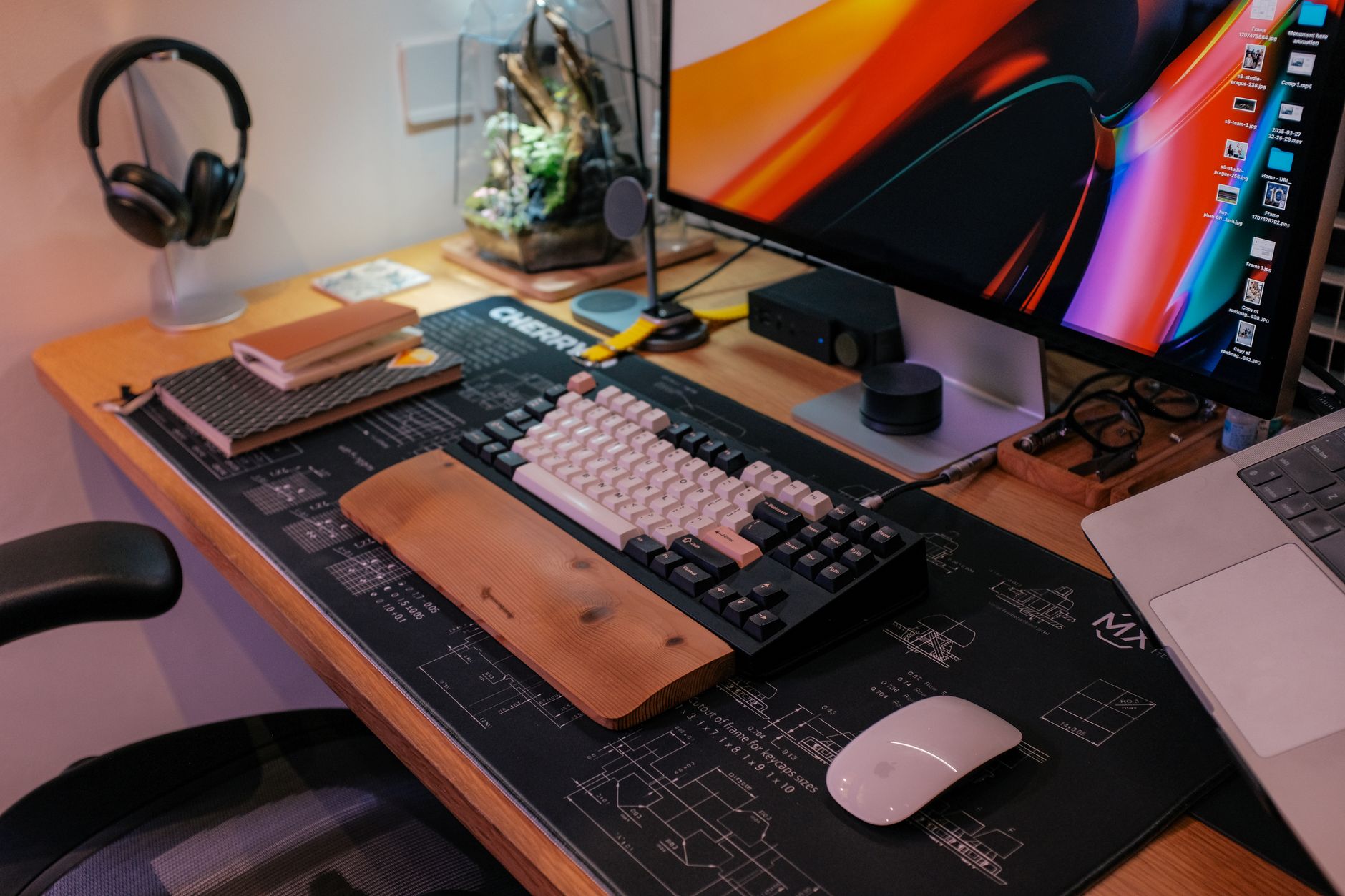 Photo: Huy Phan via Pexels
Verdict by User Type
First-time beginner: Buy this. It’s honest, durable, and will teach you what your mixes actually sound like rather than what you want them to sound like. Nothing in the price bracket does that better.
Bedroom producer: Strong recommendation. The detachable cables and flat response make it a reliable daily driver for mixing, sound design, and tracking. If you already own M50x’s, the M40x is a worthwhile second pair specifically for critical listening.
Gigging musician / performer: Acceptable for in-ear monitoring via an interface at rehearsal, but the closed-back design and somewhat forward mids mean extended live use can be tiring. Dedicated IEMs serve live work better.
Prosumer / semi-professional: The M40x works as a reference check for producers who also own near-field monitors. It’s not an Audeze or a Sennheiser HD 600, but for verifying that a mix translates to headphones, it earns its place on the desk.
→ See also:
- Best Studio Headphones for Home Recording (2026) — full-tier comparison across all budgets
- Best Studio Headphones Under $100 — every strong option at this price point ranked
- Best Headphones for Music Production — production-specific use cases and recommendations
FAQ
Is the ATH-M40x good for mixing? Yes — for under $100, the M40x is one of the most mixing-appropriate headphones available. Its flat frequency response means mix decisions translate more accurately to speakers and other playback systems than headphones with colored or boosted frequency responses. Expert consensus across professional audio communities consistently recommends it as a first mixing headphone.
What is the difference between the ATH-M40x and ATH-M50x? The M50x adds a bass and treble boost that makes it more enjoyable for casual listening but less accurate for critical mixing work. The M40x has a flatter, more linear response, which surfaces problems in a mix that the M50x might obscure. The M50x also costs approximately $50 more. For studio monitoring, the M40x is the more useful tool.
Does the ATH-M40x need an amp? No. At 35 Ω impedance and 98 dB sensitivity, the M40x drives to useful listening volumes from any audio interface headphone output, laptop headphone jack, or smartphone. A dedicated amplifier will not meaningfully improve performance with this headphone.
How long do ATH-M40x headphones last? Based on user reports across major audio forums, the M40x typically lasts five or more years of regular studio use with normal care. The most common wear items — earpads and cables — are both replaceable and inexpensive, which extends the practical lifespan well beyond headphones with non-serviceable parts.
Is the ATH-M40x still worth buying in 2026? Yes. The core proposition — flat response, detachable cables, durable build, $99 price — remains largely unmatched in its bracket. Audio-Technica has made minor driver revisions over the product’s lifespan, but published specifications and the community consensus on sound character have stayed consistent. No direct competitor has meaningfully displaced it at this price.
Editorial methodology: Assessments are based on manufacturer specifications, published user reviews, and editorial research. Physical hands-on testing is noted explicitly where it occurred. Rankings reflect our editorial judgment and are not influenced by affiliate commission rates. Full editorial policy · Affiliate disclosure