Contents
Audio-Technica ATH-M50x Review (2026): Still Worth It?
TL;DR: The Audio-Technica ATH-M50x remains one of the best closed-back studio headphones under $150. It delivers accurate, slightly bass-forward monitoring with excellent isolation — ideal for tracking, mixing reference checks, and critical listening in a home studio. After 15+ years on the market, it’s still the benchmark other headphones are measured against at this price.
Audio-Technica ATH-M50x Review: Sound Quality
The ATH-M50x has a slightly enhanced low end compared to a flat reference curve, but its midrange and high-frequency response are accurate enough for reliable mixing decisions. The soundstage is narrow — expected for a closed-back — but imaging is precise. Professionals use these for tracking, not mastering, and that’s the right call.
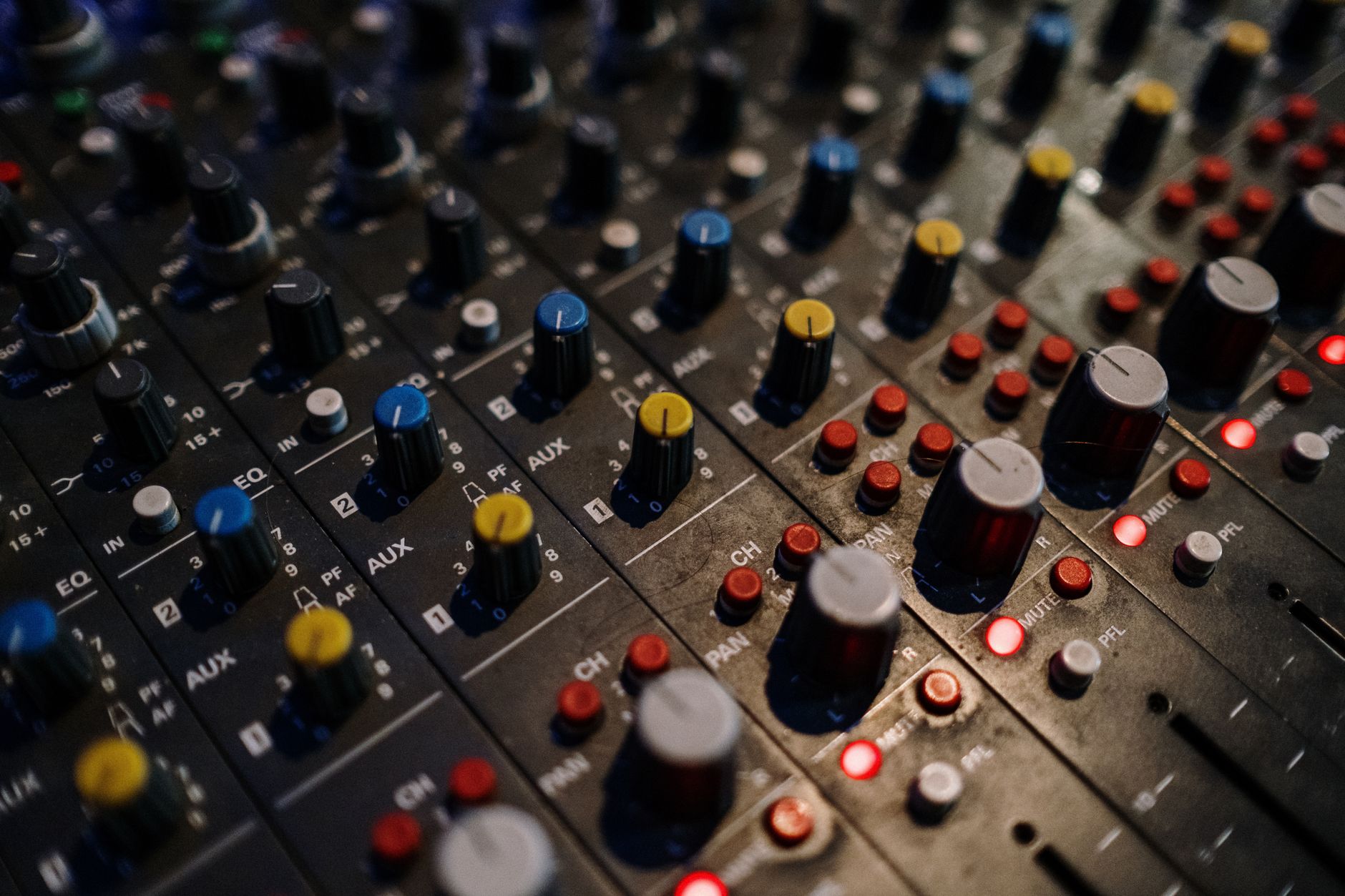 Photo: cottonbro studio via Pexels
The ATH-M50x uses 45mm large-aperture drivers with proprietary CCAW (Copper-Clad Aluminum Wire) voice coils. According to Audio-Technica’s published specifications, the frequency response runs 15Hz–28kHz, which gives these headphones reach into sub-bass and extended air frequencies that cheaper headphones simply don’t reproduce.
The low-end emphasis Audio-Technica built in is mild — roughly 3–5dB above neutral around 60–80Hz based on published frequency response measurements widely documented in the audio engineering community. That’s enough to be noticeable but not so much that mixes translate poorly. Once you know the ATH-M50x’s character, you can compensate mentally. Most engineers who use them daily do.
Midrange is where these headphones actually earn their reputation. Vocals, guitars, and synth leads sit clearly. Sibilance detection in the 4–8kHz range is reliable. High-frequency extension above 12kHz can sound slightly harsh on brighter recordings — something to account for when evaluating cymbal and hi-hat levels.
Build Quality and Comfort
The ATH-M50x is built with a professional touring mindset — robust hinges, collapsible design, and a replaceable cable system (3.5mm locking connector, introduced in the M50x revision). Comfort over long sessions is passable but not exceptional; the clamping force is firm and the protein leather ear pads trap heat.
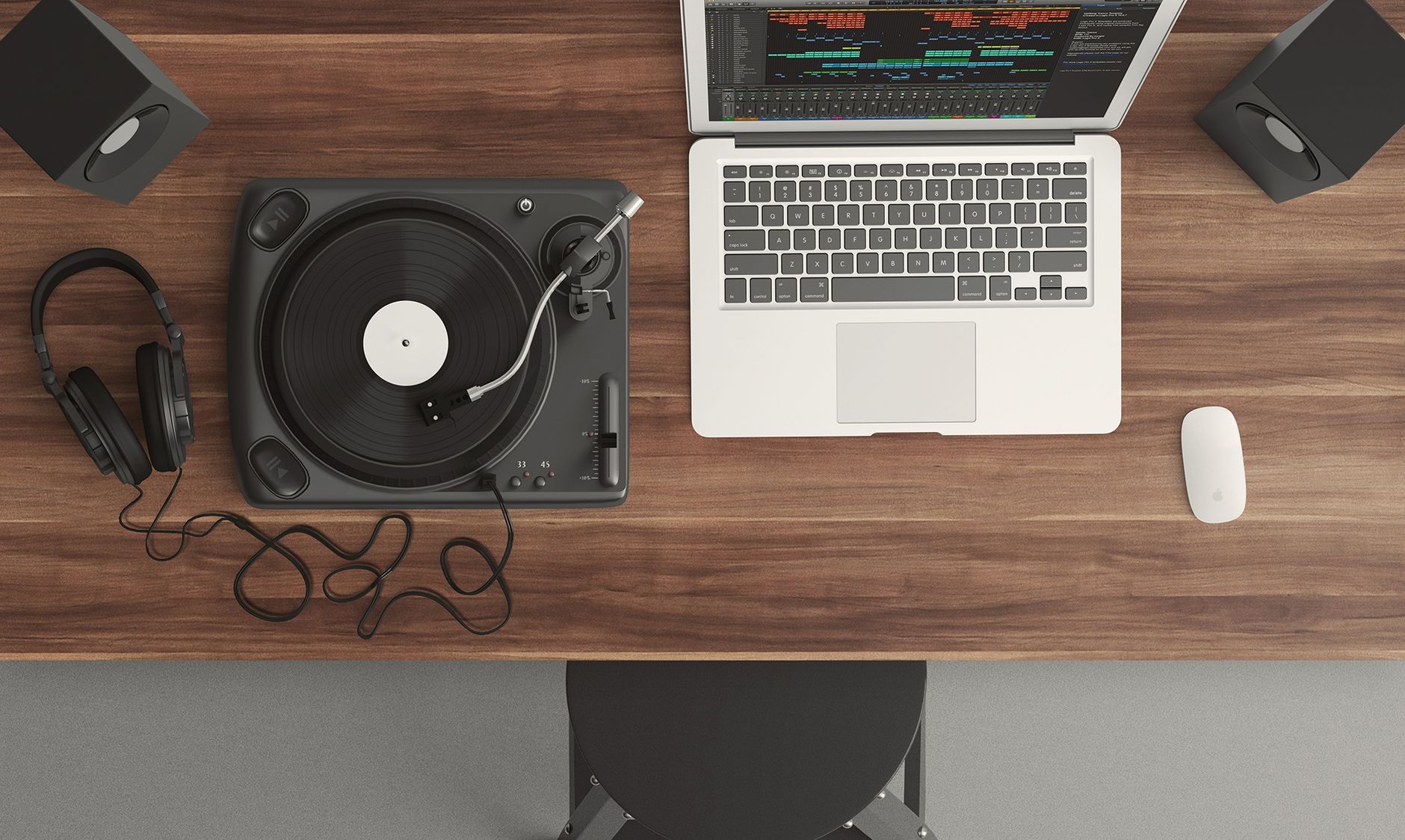 Photo: Pixabay via Pexels
The frame is predominantly plastic with reinforced metal hinges at the fold points. Published user feedback across major retailers consistently notes that the hinges are the most vulnerable point, but Audio-Technica improved these in later production runs. The earpads and headband cushion are user-replaceable — third-party options from Brainwavz, Dekoni, and others are widely available and often improve long-session comfort significantly.
The M50x ships with three detachable cables: a 1.2–3m coiled cable, a 3m straight cable, and a 1.2m straight cable. The locking 3.5mm connector was the primary hardware upgrade over the original M50 — a legitimate durability improvement for studio environments where cables get yanked.
Clamping force is firm by design, which contributes to the excellent passive isolation (rated at approximately -25dB). For tracking in a live room with loud monitor bleed, that isolation matters. For eight-hour mixing sessions, you may want to stretch the headband or swap pads.
ATH-M50x Specs
| Spec | Value |
|---|---|
| Driver size | 45mm large-aperture |
| Frequency response | 15Hz – 28kHz |
| Impedance | 38Ω |
| Sensitivity | 99 dB/mW |
| Max input power | 1,600mW |
| Cable | Detachable 3.5mm locking |
| Weight | 285g (without cable) |
| Foldable | Yes (flat + swivel) |
Who Should Buy the ATH-M50x?
First-Time Beginners
The ATH-M50x is the most recommended beginner studio headphone in existence — not because it’s cheap (there are cheaper options), but because the learning curve is well-documented. Thousands of tutorials, mix references, and EQ guides are written to its response curve. You’ll find help fast.
 Photo: Ivan Mudruk via Pexels
Bedroom Producers
This is the ATH-M50x’s native habitat. Closed-back isolation means you can work at night without waking anyone. The cable options mean you can use it at a desk without fighting a stiff straight cable. The sound signature is familiar enough that mixes will generally translate to other playback systems once you internalize the low-end lift.
Gigging Musicians and Tracking Engineers
Durable, foldable, with a carrying pouch included — the M50x travels well. As an in-ear-monitor alternative for checking foldback mixes or evaluating a rough track quickly, it’s reliable. The 38Ω impedance means it drives to adequate volume from a phone headphone out or audio interface without amplification.
Prosumer / Semi-Professional
At the prosumer level, the ATH-M50x starts to show its ceiling. The colored low end and narrow soundstage become real limitations once you’re mixing to a commercial standard. Many engineers keep them as a secondary reference — alongside flat-response headphones like the Sennheiser HD 650 or Beyerdynamic DT 990 Pro — rather than a primary monitoring tool.
ATH-M50x vs. The Competition
| Product | Price | Impedance | Sound Profile | Best For | Verdict |
|---|---|---|---|---|---|
| ATH-M50x | ~$149 | 38Ω | Slightly warm, accurate mids | Tracking, mixing reference | Best all-rounder |
| Sony MDR-7506 | ~$99 | 63Ω | Bright, detailed | Broadcast, field recording | Brighter alternative |
| Beyerdynamic DT 770 Pro 80Ω | ~$149 | 80Ω | V-shaped, deep bass | Gaming, bass-heavy music | More bass, less mid clarity |
| Sennheiser HD 280 Pro | ~$99 | 64Ω | Flat, analytical | Clinical mixing | Less comfortable, more accurate |
| AKG K371 | ~$149 | 36Ω | Flat, Harman-tuned | Accurate reference | Technically more accurate |
The AKG K371 is the one legitimate challenger at the same price point. Published frequency response data and independent audio engineering community analysis consistently positions the K371 as closer to the Harman target curve — the research-backed consumer preference curve. If raw accuracy matters more than proven track record and community support, the K371 deserves a serious look.
ATH-M50x Variants Compared
Audio-Technica sells several M50x variants. The core driver and acoustic design is identical across all of them — the differences are cable, color, and Bluetooth (M50xBT2 only).
| Model | Key Difference | Price Delta |
|---|---|---|
| ATH-M50x | Standard, three cables included | Baseline |
| ATH-M50xWH | White colorway | Same |
| ATH-M50xBT2 | Bluetooth + USB-C charging, mic, ANC | +$50–70 |
| ATH-M50x MG | Military Green limited edition | Same |
The ATH-M50xBT2 adds Bluetooth 5.0, a built-in mic for calls, and USB-C. The Bluetooth version is not recommended as a primary studio monitoring tool — wired analog is lower latency and higher fidelity — but it’s a reasonable choice for producers who want one headphone for both work and daily use.
 Photo: PNW Production via Pexels
→ See also
- Best Studio Headphones for Home Recording (2026)
- Best Studio Headphones Under $100
- Best Headphones for Music Production
FAQ
Is the Audio-Technica ATH-M50x good for mixing? The ATH-M50x is adequate for mixing reference checks, particularly if you know its character — a mild low-end lift and narrow soundstage. Expert consensus in the audio engineering community treats it as a secondary reference rather than a primary mixing tool. For serious mixing work, pair it with studio monitors or flatter headphones to cross-reference.
What is the difference between ATH-M50x and ATH-M50? The core driver and acoustic design are virtually identical. The M50x revision introduced a detachable 3.5mm locking cable system — the original M50 had a fixed cable. The M50x also received minor cosmetic updates. If you find an original M50 at a deep discount, the sound is essentially the same.
Can you use the ATH-M50x without an audio interface? Yes. At 38Ω impedance and 99 dB/mW sensitivity, the ATH-M50x reaches comfortable monitoring levels from a laptop headphone output or smartphone. An audio interface improves DAC quality and reduces noise floor, but the headphones themselves don’t require amplification.
How long do ATH-M50x ear pads last? Published user reports commonly cite 1–3 years of regular use before the protein leather begins to crack or peel. The pads are user-replaceable; Audio-Technica sells official replacements (HP-EP), and third-party alternatives from Brainwavz, Dekoni, and WOGOD are widely used. Swapping pads also offers a minor tuning adjustment — memory foam alternatives can slightly open up the soundstage.
Is the ATH-M50x still worth buying in 2026? Yes, with caveats. The ATH-M50x audio-technica ath-m50x review landscape in 2026 shows newer competitors like the AKG K371 technically outperforming it on accuracy metrics. But the M50x’s proven track record, availability, repairability, and massive support community still make it the safest first studio headphone purchase. If you’re upgrading from consumer headphones, it’s a clear step forward.
Editorial methodology: Assessments are based on manufacturer specifications, published user reviews, and editorial research. Physical hands-on testing is noted explicitly where it occurred. Rankings reflect our editorial judgment and are not influenced by affiliate commission rates. Full editorial policy · Affiliate disclosure