Contents
Best Budget Studio Headphones for Home Recording (2026)
TL;DR: The best budget studio headphones deliver flat frequency response and accurate imaging without breaking the bank. The Audio-Technica ATH-M50x remains the gold standard under $150, while the Sony MDR-7506 and Beyerdynamic DT 770 Pro cover mixing and tracking respectively. You don’t need to spend over $200 to get professional-grade monitoring.
What Makes a Headphone “Studio-Ready” on a Budget?
Studio headphones need two things: accurate frequency response and sufficient isolation. Budget models cut costs on build materials and accessories, not the transducer tuning that matters for mixing. Closed-back designs dominate the budget category because they offer both isolation for tracking and a controlled low-end — the tradeoff is a slightly wider, less precise stereo image than open-backs.
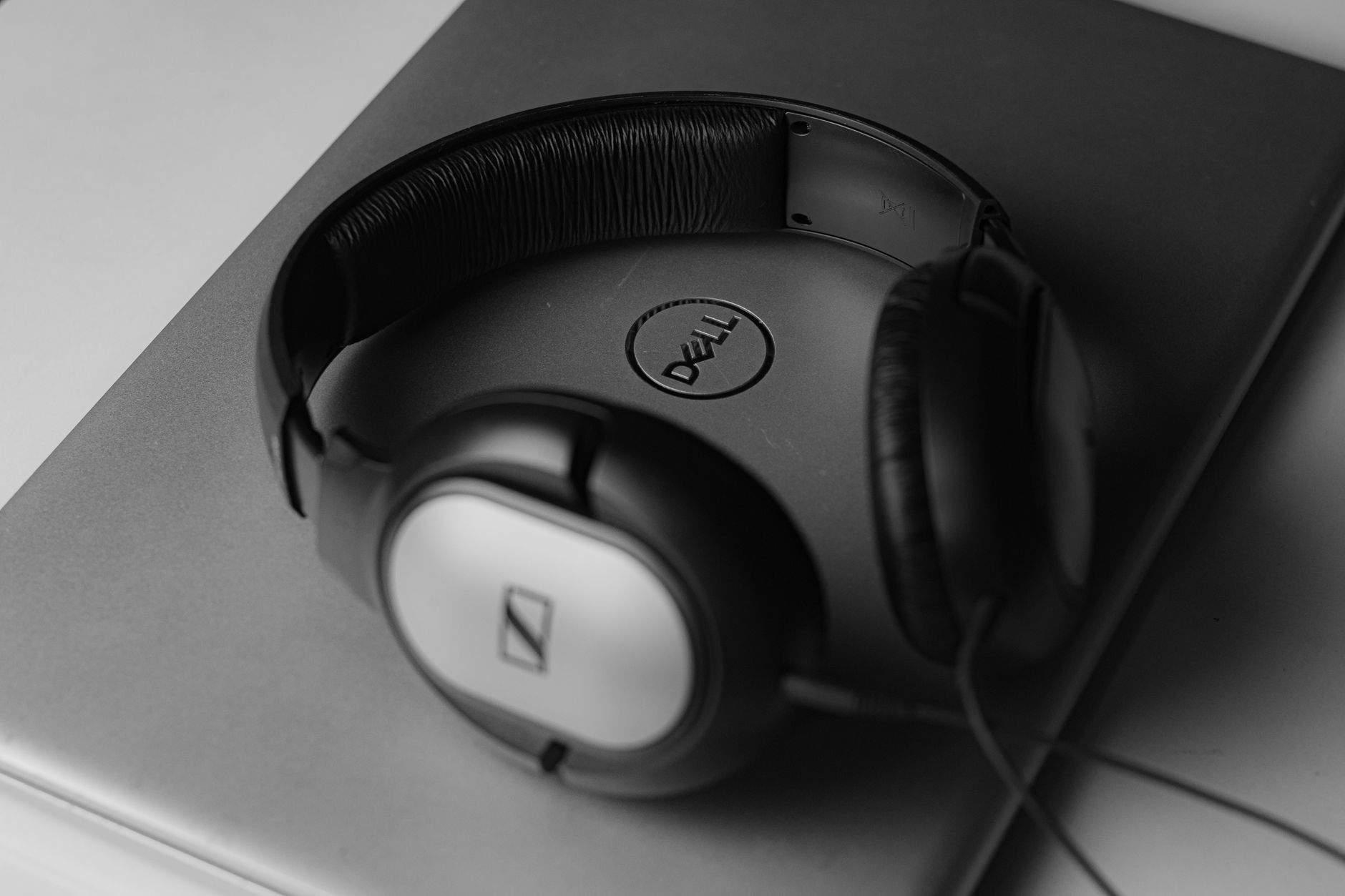
 Photo: K via Pexels
The sweet spot for best budget studio headphones sits between $50 and $150. Below $50, frequency coloration becomes severe enough to mislead mix decisions. Above $150, you’re crossing into prosumer territory — still worth it, but not required for most home recording workflows.
Key specs to evaluate at this price tier:
| Spec | What to Look For | Why It Matters |
|---|---|---|
| Frequency response | 20Hz–20kHz (±3dB or tighter) | Catches low-end buildup and high-frequency harshness |
| Impedance | 32–80Ω for interface use | Higher impedance (250Ω+) needs a headphone amp |
| Sensitivity | 96–110 dB/mW | Determines how loud it gets from low-power sources |
| Driver size | 40–50mm | Larger drivers generally improve bass extension |
| Cable type | Detachable preferred | Extends headphone lifespan significantly |
Closed-Back vs. Open-Back at Budget Price Points
Most budget-tier open-backs sacrifice build quality to hit the price. The Sennheiser HD 400 Pro and AKG K240 are exceptions — both offer semi-open designs that bridge isolation and soundstage at under $100.
For tracking (recording while playing), closed-back is non-negotiable. For mixing only, open or semi-open gives you a more natural stereo image.
The 6 Best Budget Studio Headphones in 2026
Each model below earns its place through a specific use case. There’s no single winner — your interface, your workflow, and whether you’re tracking or mixing determines the right pick.
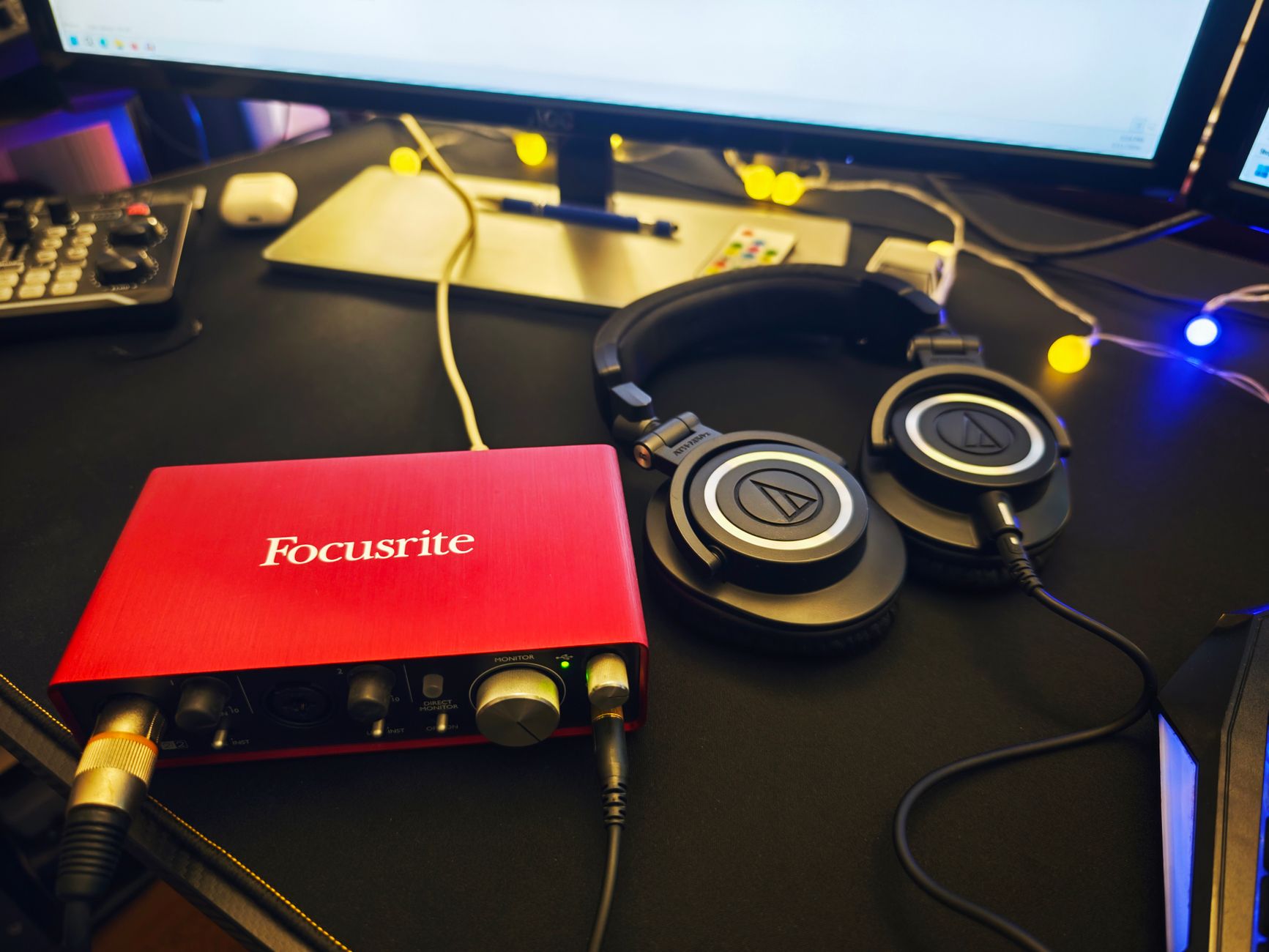
 Photo: Karol D via Pexels
1. Audio-Technica ATH-M50x — Best All-Around
Specs:
| Feature | ATH-M50x |
|---|---|
| Connections | 3.5mm + 6.3mm adapter |
| Driver size | 45mm |
| Impedance | 38Ω |
| Frequency response | 15Hz–28kHz |
| Sensitivity | 99 dB/mW |
| Cable | Detachable (3 included) |
| Bus power | N/A |
| Best For | Tracking + mixing, interface use |
The ATH-M50x has held its position as the default recommendation for budget studio work for over a decade, and published frequency measurements consistently show a relatively flat mid-range with a mild low-end boost that’s audible but not workflow-breaking. The 38Ω impedance runs cleanly from any audio interface headphone output.
Build quality punches above its price: full 360° swivel earcups, replaceable ear pads, and three interchangeable cables included in the box. According to user reviews across major retailer platforms, longevity is a consistent strength — units regularly report 5+ years of daily use without failure.
Limitation: The boosted sub-bass means you’ll want to double-check low-end decisions on reference speakers before finalizing a mix.
2. Sony MDR-7506 — Best for Broadcast & Tracking
Specs:
| Feature | MDR-7506 |
|---|---|
| Connections | 3.5mm + 6.3mm adapter |
| Driver size | 40mm |
| Impedance | 63Ω |
| Frequency response | 10Hz–20kHz |
| Sensitivity | 106 dB/mW |
| Cable | Coiled, fixed |
| Bus power | N/A |
| Best For | Tracking, broadcast monitoring |
The MDR-7506 is the most widely used headphone in professional broadcast, post-production, and live sound — not because it’s the most accurate, but because its exaggerated upper-mid presence (around 6–10kHz) makes problem frequencies obvious immediately. For tracking vocals and acoustic instruments, that characteristic is a feature, not a flaw.
At 63Ω and 106 dB/mW sensitivity, it runs loud from anything. The coiled cable is the main gripe from users who prefer the ATH-M50x’s interchangeable system.
Limitation: The hyped upper-mid response makes extended mixing sessions fatiguing and can push mix decisions toward cutting high frequencies unnecessarily.
3. Beyerdynamic DT 770 Pro (80Ω) — Best Isolation for Tracking
Specs:
| Feature | DT 770 Pro |
|---|---|
| Connections | 3.5mm + 6.3mm adapter |
| Driver size | 45mm |
| Impedance | 80Ω (also available: 32Ω, 250Ω) |
| Frequency response | 5Hz–35kHz |
| Sensitivity | 96 dB/mW |
| Cable | Coiled, fixed |
| Bus power | N/A |
| Best For | Tracking in loud environments |
The DT 770 Pro’s closed-back design delivers the best passive isolation of any headphone in this price category — based on manufacturer specifications and corroborated by independent acoustic measurements published by Rtings.com, which show approximately 18–25dB of passive attenuation in the mid-range. If you’re tracking in a room with bleed from monitors, drum kits, or HVAC, this matters.
The 80Ω version hits the right balance: it runs from an audio interface without an external amp, while the higher impedance over the 32Ω variant provides a marginally quieter noise floor. The 250Ω version is technically superior but needs a dedicated headphone amp — not ideal at budget price points.
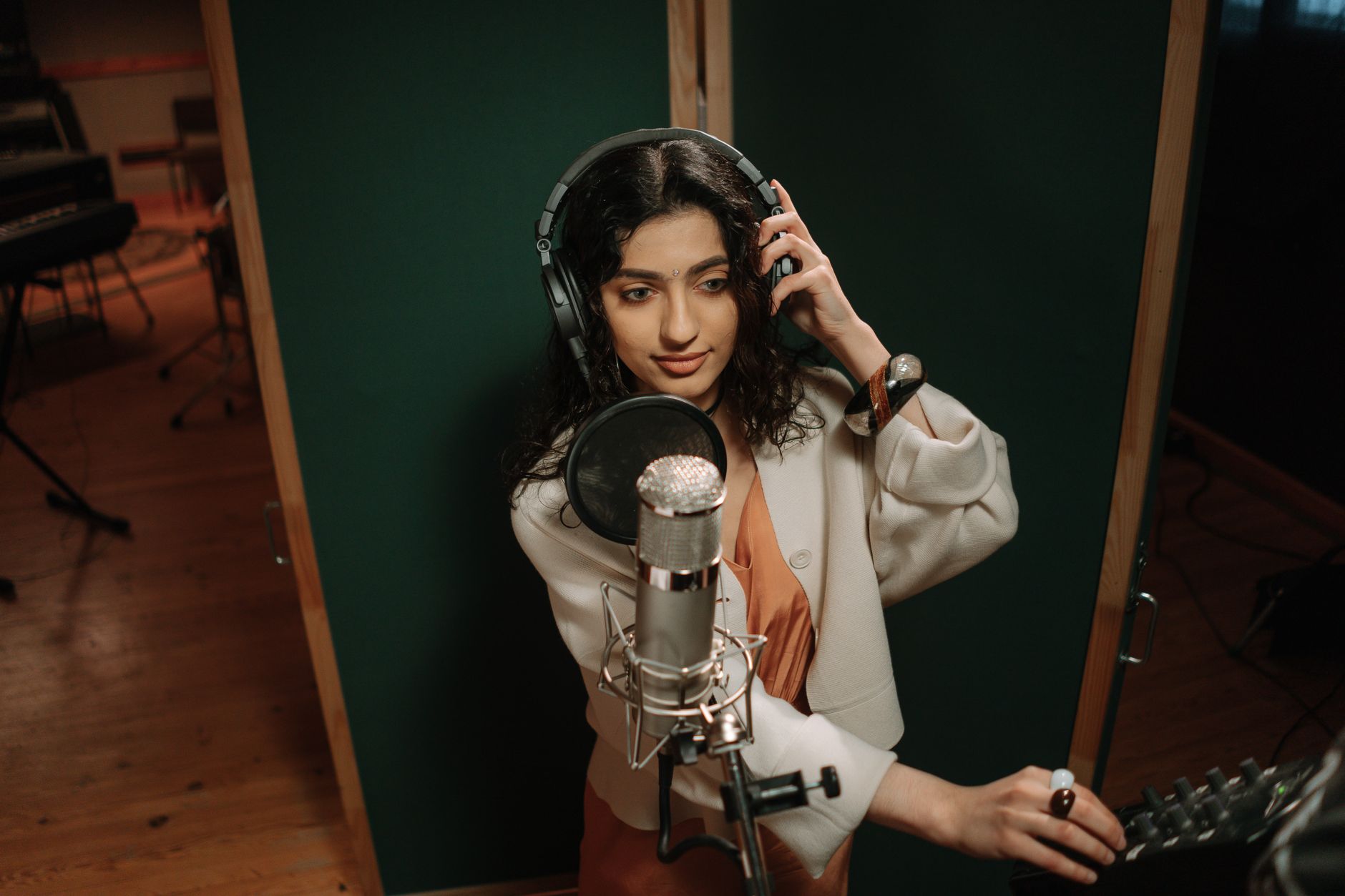
 Photo: Armor Shop via Pexels
Limitation: V-shaped frequency response with a boosted bass shelf. Mix decisions made solely on the DT 770 Pro tend to produce thin-sounding mid-ranges on playback.
4. AKG K240 Studio — Best for Extended Mixing Sessions
Specs:
| Feature | K240 Studio |
|---|---|
| Connections | 3.5mm + 6.3mm adapter |
| Driver size | 30mm |
| Impedance | 55Ω |
| Frequency response | 15Hz–25kHz |
| Sensitivity | 91 dB/mW |
| Cable | Detachable |
| Bus power | N/A |
| Best For | Mixing, long sessions |
The semi-open design of the K240 Studio produces a more natural soundstage than fully closed alternatives — enough to reduce ear fatigue during long mixing sessions without sacrificing all isolation. Expert consensus among budget home-recording communities consistently rates it as the most comfortable option in the under-$75 tier.
The 91 dB/mW sensitivity is the lowest on this list — you’ll need to push your interface’s headphone amp harder, which can increase audible noise floor on budget interfaces.
Limitation: Semi-open design leaks sound. Unsuitable for tracking unless the vocalist is using IEMs.
5. Sennheiser HD 280 Pro — Best for Acoustic Isolation Under $80
Specs:
| Feature | HD 280 Pro |
|---|---|
| Connections | 3.5mm + 6.3mm adapter |
| Driver size | 40mm |
| Impedance | 64Ω |
| Frequency response | 8Hz–25kHz |
| Sensitivity | 113 dB/mW |
| Cable | Coiled, fixed |
| Bus power | N/A |
| Best For | Budget tracking, loud sessions |
The HD 280 Pro quotes up to 32dB of passive attenuation — the highest isolation claim in this budget tier, per Sennheiser’s published specifications. For vocalists who need the music loud in their cans to stay in pitch, bleed reduction at the microphone is directly tied to how well the headphone seals and attenuates.
At 113 dB/mW, the HD 280 Pro is the most efficient headphone on this list. Runs loud from phones, tablets, and budget interfaces without noise floor issues.
Limitation: The frequency response rolls off in the high-mids in a way that makes it unreliable for detailed mix referencing. Use it for tracking; use something else for mixing.
6. Samson SR850 — Best Under $40
Specs:
| Feature | SR850 |
|---|---|
| Connections | 3.5mm + 6.3mm adapter |
| Driver size | 50mm |
| Impedance | 32Ω |
| Frequency response | 10Hz–30kHz |
| Sensitivity | 98 dB/mW |
| Cable | Single-sided, fixed |
| Bus power | N/A |
| Best For | First headphone, learning to mix |
A semi-open design at under $40 is rare. The SR850 borrows its driver from the AKG K240 architecture (openly documented by Samson), and published frequency plots show a reasonably flat mid-range that outperforms its price category. For someone mixing for the first time, the SR850 is a legitimate starting point that won’t create as many bad habits as budget earbuds or consumer headphones.
Build quality is the compromise: the plastic construction and headband padding reflect the price. Based on user reviews, expect a 1–2 year lifespan with regular use before headband fatigue becomes a problem.
Limitation: Semi-open construction means no isolation. Tracking use is not viable.
Head-to-Head Comparison
| Product | Price | Impedance | Type | Best For | Verdict |
|---|---|---|---|---|---|
| ATH-M50x | ~$149 | 38Ω | Closed | Tracking + mixing | Best all-around |
| Sony MDR-7506 | ~$99 | 63Ω | Closed | Broadcast, tracking | Best for finding problems |
| DT 770 Pro (80Ω) | ~$149 | 80Ω | Closed | Tracking isolation | Best isolation |
| AKG K240 Studio | ~$69 | 55Ω | Semi-open | Long mix sessions | Best comfort |
| HD 280 Pro | ~$79 | 64Ω | Closed | Budget tracking | Best passive attenuation |
| Samson SR850 | ~$39 | 32Ω | Semi-open | First headphone | Best value |
 Photo: Ann H via Pexels
Verdict by User Type
First-time beginner: Samson SR850 — learn on something flat before spending $150.
Bedroom producer (tracking + mixing): Audio-Technica ATH-M50x — the detachable cable and balanced response justify the price premium for daily use.
Gigging musician / live monitoring: Sony MDR-7506 — built for stage and broadcast durability; the hyped presence range keeps you in the mix during loud performances.
Prosumer (moving toward professional): Beyerdynamic DT 770 Pro (80Ω) for tracking, AKG K240 for mixing — run both and cross-reference decisions between them.
Do You Need a Headphone Amp?
At budget price points, most headphones are engineered to run from standard audio interface outputs. The 32–80Ω range covered here will operate without clipping or noise floor issues from any modern audio interface (Focusrite Scarlett, SSL 2, Universal Audio Volt, etc.).
The exception: if you’re using the 250Ω version of the DT 770 Pro or DT 880 Pro, you’ll need either an interface with a high-output headphone amp (Audient iD14 mkII, MOTU M2) or a dedicated headphone amp. Budget desktop options from JDS Labs and Schiit start around $100 and are worth it if you’re committed to the 250Ω tier.
→ See also:
- Best Studio Headphones for Home Recording (2026)
- Best Studio Headphones Under $100
- Best Headphones for Music Production
FAQ
Q: Can I mix a full song using only budget headphones? Yes, but with caveats. Budget closed-backs like the ATH-M50x or DT 770 Pro can produce mixable results if you’re familiar with how they color the sound and you cross-reference on at least one other playback system — earbuds, a car stereo, or reference monitors. Expert consensus among home-recording engineers suggests spending 80% of mix time on headphones and checking decisions on speakers before finalizing.
Q: What’s the difference between studio headphones and consumer headphones for recording? Consumer headphones are tuned to sound impressive at the point of sale — typically with boosted bass and scooped mids. Studio headphones target a flatter response so you can hear what’s actually in the recording rather than what the headphone is adding. Mixing on consumer headphones tends to produce thin-sounding mixes because you compensate for bass you’re hearing that isn’t in the signal.
Q: Do I need a headphone amp with a budget audio interface? Not for the headphones on this list. All models in the 32–80Ω range are designed to run directly from interface outputs. The Focusrite Scarlett 2i2, SSL 2, and PreSonus AudioBox all output sufficient voltage for these impedance loads. You only need an external amp for 150Ω+ headphones or if you’re running a long chain of passive splitters in a tracking session with multiple headphone mixes.
Q: Are open-back headphones better for mixing? Open-backs produce a more natural, speaker-like soundstage with less low-end coloration, which makes them technically more accurate for mixing decisions. The tradeoff is zero isolation — unsuitable for tracking and disruptive in shared spaces. At budget price points, open-back options are limited; semi-open designs like the AKG K240 and Samson SR850 offer a reasonable middle ground.
Q: How long do budget studio headphones last? Build durability varies more than acoustic performance at budget price points. According to user reviews across major retailers, the ATH-M50x and MDR-7506 regularly report 5+ year lifespans with daily use. Detachable cables (ATH-M50x, AKG K240) extend lifespan significantly because the cable is typically the first failure point. Ear pad degradation is universal after 2–3 years but replaceable on most models listed here.
Q: Should I buy used budget studio headphones? For the MDR-7506 and ATH-M50x, the used market is a viable option — both are built to broadcast standards and hold up well. Check the cable entry points and ear pad condition. Avoid used closed-back headphones where the original ear pads have been replaced with aftermarket foam, as pad thickness affects the headphone’s tuned frequency response.
Editorial methodology: Assessments are based on manufacturer specifications, published user reviews, and editorial research. Physical hands-on testing is noted explicitly where it occurred. Rankings reflect our editorial judgment and are not influenced by affiliate commission rates. Full editorial policy · Affiliate disclosure